
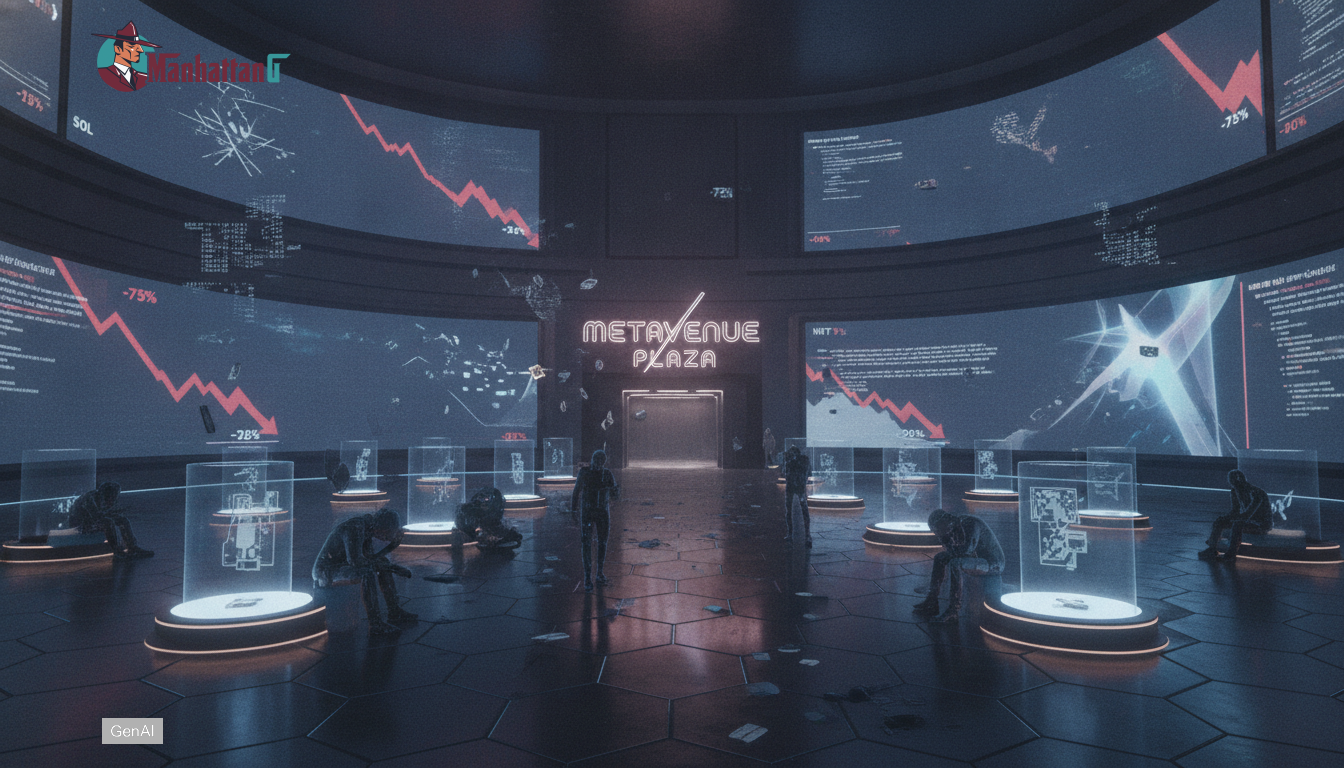
NFT Market Decline: What the Data Shows Today
The NFT market decline is no longer just a narrative. It appears in thinner order books, wider bid ask spreads, and fewer buyers willing to chase floor prices. Activity cooled across major marketplaces as risk appetite and crypto liquidity faded, following the 2021 hype. According to available reports, many collections struggled to regain highs through 2022 and 2023, and sellers prioritized faster execution. A downtrend is evident when daily volumes don’t sustain breakouts and the floor price acts like a moving reference point. For traders, liquidity can be episodic rather than continuous.
What Drove the Downturn: Rates, Risk, and Incentives
Several forces likely fueled the NFT decline. Macro tightening raised the cost of holding illiquid assets, while crypto drawdowns reduced available ETH for bidding. Repeated contract exploits and governance disputes reportedly increased due diligence costs. A parallel on how financing terms can reshape participation is in Castlelake EasyJet: airline backs £5.2bn deal terms. The shift to optional royalties on some marketplaces is widely discussed, potentially squeezing creator income and altering marketing dynamics.
Liquidity Signals and Investor Sentiment in the NFT Market Decline
Investors have moved away from chasing mint calendars and now focus on exchange flows and custody practices. Binance Sees $3.3B Monthly Outflows sheds light on liquidity leaving centralized venues, impacting trading behavior. As liquidity becomes more selective, the NFT market decline can enforce smaller position sizes and stricter entry triggers, while longer-term buyers may demand verifiable utility.
How the NFT Market Decline is Changing Strategy and Due Diligence
Funds and creators are adjusting playbooks for a prolonged downcycle. Teams are distinguishing brand building from balance sheet exposure. Projects shift toward licensing or token-gated access that doesn’t require constant secondary turnover. NFT Investment: Practical Moves for Market Swings outlines tactics for volatile markets, while NFT Market Trends helps frame signals and risks. Due diligence now emphasizes contract upgrade paths and custody controls. PlaySide alleged NFT rug pull demonstrates the impact of reputational risk.
Outlook After the NFT Market Decline: What Could Recover First
The next phase may focus less on viral NFTs and more on infrastructure and repeatable demand. Builders prioritize better wallets and user-friendly features to reduce friction. Vitalik Buterin’s Ethereum updates could improve UX and lower costs. After expectations reset, investors may reward projects demonstrating rights clarity and revenue durability.



Recent Comments