PlaySide Studios and the NFT rug pull allegations
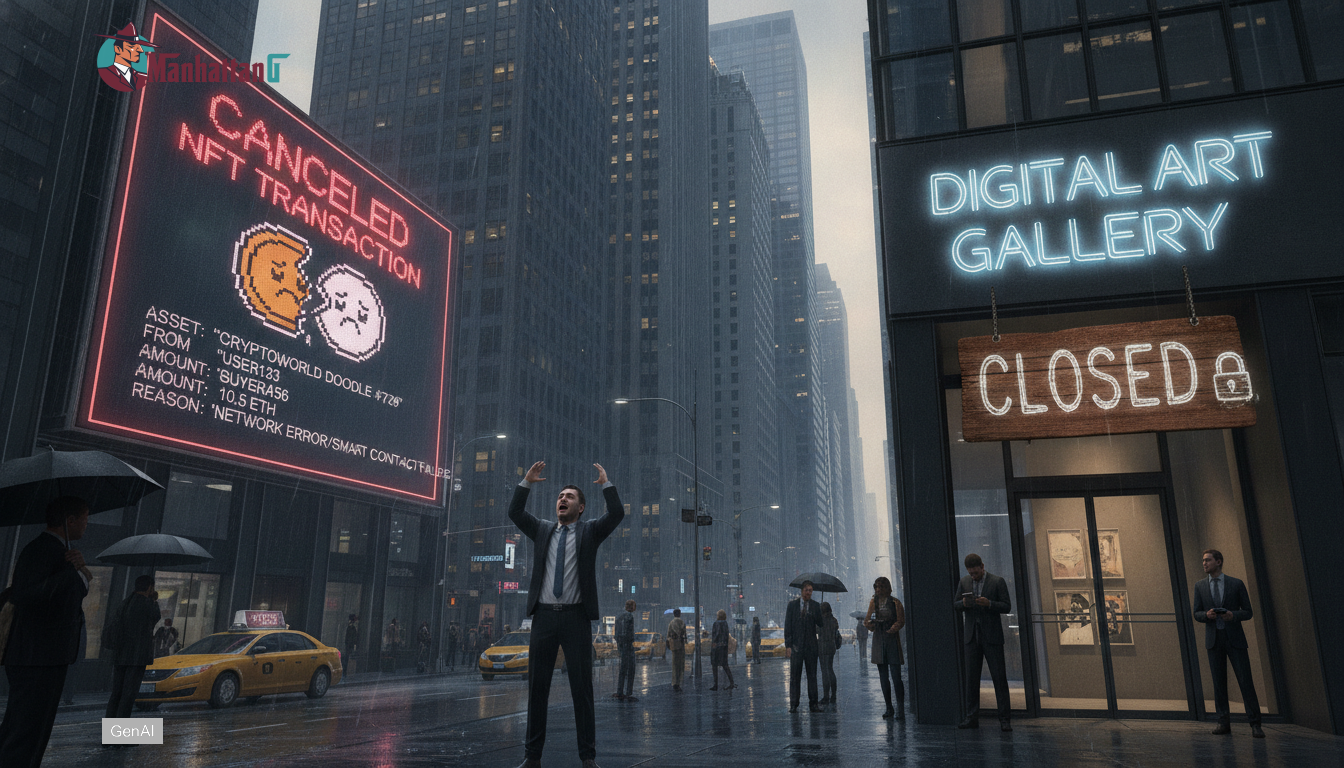
PlaySide Studios is facing criticism from some NFT buyers who allege that promised utilities and timelines were later abandoned, leaving holders without features they expected. Reports from buyers on X and in Discord suggest some see the outcome as an NFT rug pull, claiming updates became rare while market interest dwindled. Some collectors say there was no clear refund process once momentum stalled. The debate focuses on what was promised around mint versus what was delivered, and whether statements were commitments or aspirations. Buyers say they are preserving evidence to document changes they believe occurred after funds were collected.
Impact on buyers and how losses compound
Holders say there’s a gap between what they paid at mint and what they can recover, with many tokens reportedly tough to sell at meaningful prices. In community threads on X and Discord, collectors have called the episode a potential NFT scam and shared screenshots of wallet activity as informal evidence for timing and disclosure issues; these have not been independently verified. Wider market weakness may amplify losses, with buyers noting falling volumes and thinner bids, as discussed in NFT Market Downturn as 2025 Sales Hit Fresh Lows. Some holders are documenting losses and saving promotional materials and announcements.
What an NFT rug pull means for buyers and proof
In crypto, a “rug pull” typically refers to scenarios where insiders extract value and cease supporting the product, leaving buyers with assets without the promised backing or utility. The NFT rug pull label is applied when a project stops delivering after mint revenue is collected, even if tokens remain tradable. Some buyers argue they’re left with illiquid assets and no clear roadmap, while the project’s public presence fades. Consumer advocates suggest focusing on verifiable deliverables, transparent treasury handling, and auditable on-chain disclosures. For more, see discussions on improving blockchain trust, such as Vitalik Buterin outlines validator privacy and lean consensus.
PlaySide’s response and what buyers say is missing
As of now, PlaySide Studios hasn’t released a single, detailed rebuttal addressing every community allegation. Conversations on X and Discord show participants pointing to scattered replies and moderation as indicative of a fragmented response; these reflect user perceptions rather than verified findings. Frustration grows with no clear remediation plan for those who relied on earlier messaging. A separate item on Londonews shows how quickly narratives harden when stakeholders feel ignored, as seen in Labour 2026: Can They Get Their Act Together?. Collectors are asking for straightforward answers on delivery status, proceeds use, and potential compensation.
How to safeguard against an NFT rug pull next time
Future buyers often treat promises as provisional unless tied to concrete, testable milestones, as marketing claims can change without notice. Legal advisors stress that marketing language matters, especially if it resembles an investment pitch. Track policy debates in NFT Regulation: How Trump Memecoins Affect CLARITY. Risk controls include limiting position size, saving official announcements, and ensuring teams publish wallet addresses and spending reports. Insights from alleged NFT rug pull disputes highlight the importance of transparent delivery milestones and refund policies, as trust once broken leads to vanishing liquidity. Scrutinize utility dependencies on centralized access that may be revoked.


Recent Comments