
NFT Regulation Basics: What Congress Is Trying to Define
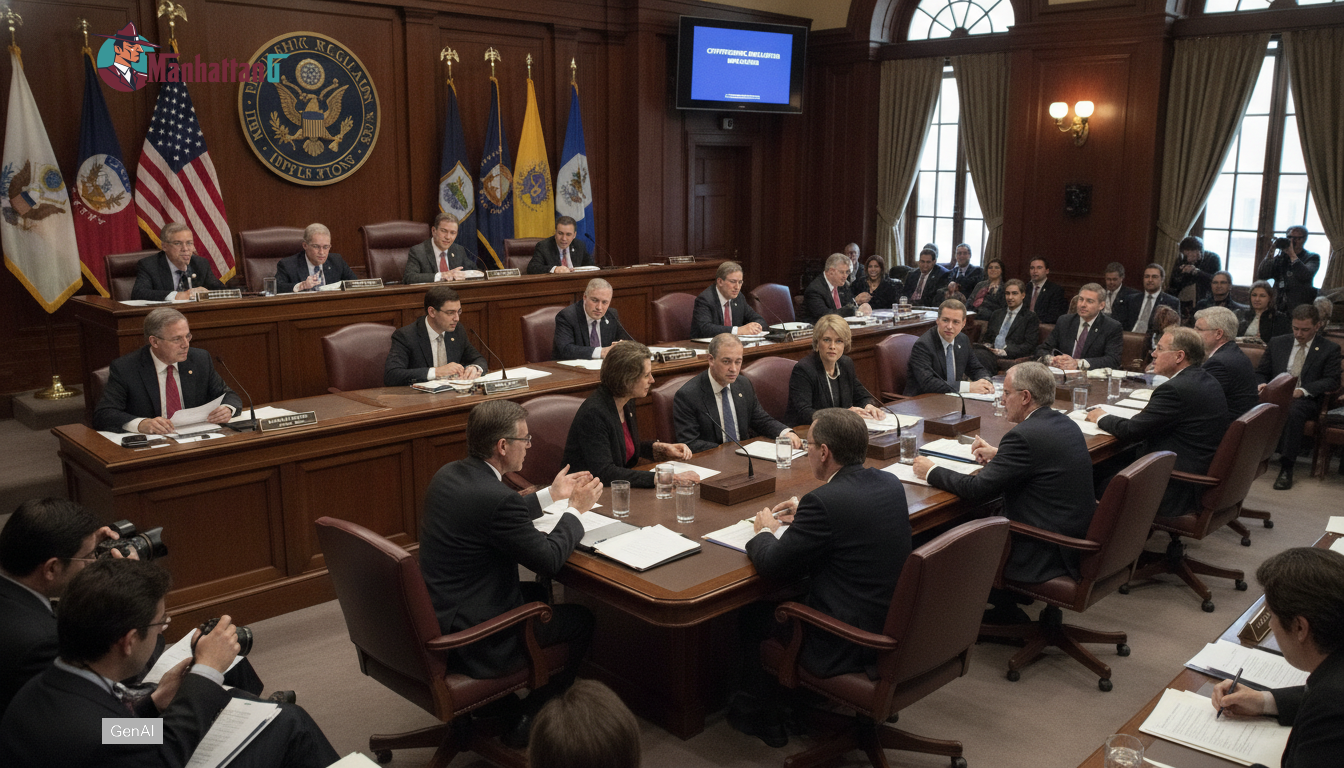
The burning question? Who’s calling the shots on NFTs, what disclosures might be needed, and are NFTs securities, commodities, or just collectibles? According to available reports, Congress is deep in debate, drawing lines around issuer conduct, platform duties, and promoter liability. Commentary about Trump memecoins has reportedly caught the attention of lawmakers, highlighting potential conflicts and paid promotions. As indicated by public discussions, the fight isn’t about ideology—it’s about creating clear, enforceable definitions that impact compliance costs and consumer protections.
NFT Regulation in the CLARITY Act: Definitions, Scope, Oversight
The CLARITY Act is under scrutiny, seen by analysts as a test to craft rules separating securities oversight from commodities oversight without leaving major gaps for NFTs. As reported in public coverage, the talks have honed in on definitions, jurisdiction triggers, and disclosure concepts. These decisions could classify an NFT project as an issuer or a marketplace as an intermediary. Recent industry moves, like the SBI Holdings purchase of Bitbank, add to the backdrop of rapid consolidation, according to commentary. If Congress can’t decide on the scope, agencies might stick to case-by-case actions, echoing various public arguments for and against the bill.
Ethics and Promotion Rules: Why Memecoins Changed the Vote Math
According to public comments, ethics concerns have reportedly become a pivotal negotiation issue. The same rules for digital-asset oversight—like disclosing compensation, sponsorship, and affiliations—apply to public figures benefiting from token hype. Some lawmakers, as indicated in public discussions, are pushing for tighter language on what constitutes compensated promotion. Observers say this may impact vote counts as members demand clear guardrails. For insight into how party dynamics play out in close decisions, check out Labour 2026: Can They Get Their Act Together?. The underlying message? Ethical amendments could be key in politically securing the bill.
Enforcement and Compliance: What NFT Projects and Marketplaces May Face
In discussions, it’s noted that law enforcement has allegedly urged lawmakers to zero in on fraud prevention and clearer compliance paths. Publicly, some offices argue that the fast pace of promotions complicates policing, while others believe clear rules help prioritize misconduct effectively. For NFT builders and buyers, compliance might mean clearer disclosures, precise promoter liability definitions, and affiliation reports where compensation is involved. Related coverage on risk management can be found at ENJ Rally and NFT Investments: Managing Risk and NFT regulation: stablecoin freezes force new controls. In 2024, briefings have suggested practical compliance guides for smaller markets lacking resources for detailed legal reviews.
What to Watch Next for NFT Regulation After the CLARITY Vote
The future of NFT regulation hinges on whether Congress opts for explicit rules on promotion and conflicts or defers details to later rulemaking, analysts of the CLARITY Act debate indicate. If the focus is on definitions and jurisdiction, marketplaces may face ongoing uncertainty. A combination of market structure and conflict-of-interest rules could shift the compliance burden towards transparent documentation. Look out for amendments defining promotion, setting reporting standards, and clarifying NFT categories. Even if the CLARITY Act proceeds, public commentary suggests the memecoin debate keeps ethics language central to broader digital-asset regulation discussions.



Recent Comments