
NFT regulation: what stablecoin freezes change
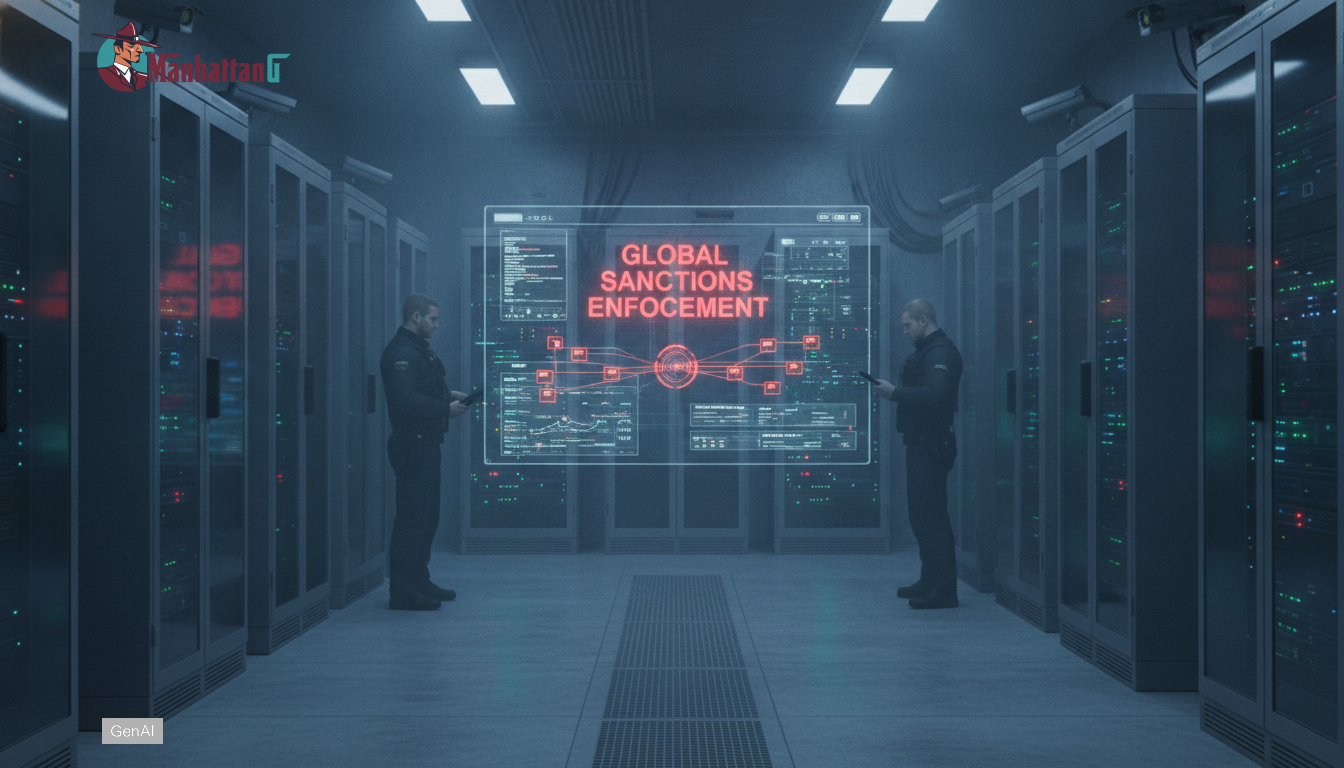
NFT regulation is increasingly shaped by sanctions compliance, not just consumer protection rules. Stablecoin issuers that freeze or blacklist wallets push NFT marketplaces to adopt new screening and payout protocols. Tether, for instance, reportedly froze wallets it linked to terrorist activities, showing enforcement can occur swiftly and broadly. NFT platforms need to know: touching a sanctioned address risks blocked settlement funds even for legitimate NFTs. This nudges compliance controls toward minting, listing, and payout practices.
Sanctions screening requirements for NFT marketplaces
Sanctions originate from entities like the U.S. Office of Foreign Assets Control, but for NFT venues, it’s about daily operations. Marketplaces now need systems to spot exposure to blocked persons, risky regions, and suspect parties before settlement. As some stablecoins can be frozen at the issuer level, marketplaces may require pre-trade checks and continuous monitoring, with clear user alerts about potential freezes or withdrawal delays as reported in https://londonews.com/uk-energy-prices-rise-again-as-ofgem-cap-resets/. This follows the trend of heightened enforcement expectations across sectors.
Transaction monitoring and provenance checks under NFT regulation
Public chain analytics are key for compliance teams. By analyzing address clusters and flagging connections to sanctioned bodies or high-risk services, platforms decide on minting, listing, or payouts. As stablecoins anchor NFT trades, compliance is increasingly transactional, not just in terms of policies, echoed in Urgent Crypto Transfer Alert: Australia Raises the Bar. This strategy also catches adjacent risks, like fraud proceeds, using similar detection tools.
How MiCA and institutional standards influence NFT regulation
Regulators might classify NFT platforms as financial entities when stablecoins are essential for transactions. In Europe, MiCA timelines and service limits might intersect with sanctions and custody rules, as seen in Binance Faces EU Service Curbs as MiCA Deadline Nears and MiCA deadline in the EU: crypto user migration test. Institutional buyers demand transparency in custody and partner records. For detailed expectations, see Institutional NFT’s: compliance, custody, and standards. The move is toward auditable controls for sanctions decisions and wallet risk scoring.
Practical steps to stay compliant as NFT regulation tightens
NFT marketplaces should aim to prevent settlement disruptions. Key steps include defining screening points at onboarding, minting, and payout stages, and explaining how risk scores and blacklists are managed. Platforms might need payout delays and manual reviews, with clear terms about how stablecoin freezes can affect proceeds. Reference Beeple NFT 69 Million Sale: Market Impact and Next Moves for market trends. Market makers demand assurances around sanctions, while custodians might prefer narrowed counterparties. Competition increasingly pivots on compliance reliability, not just liquidity.


Recent Comments