
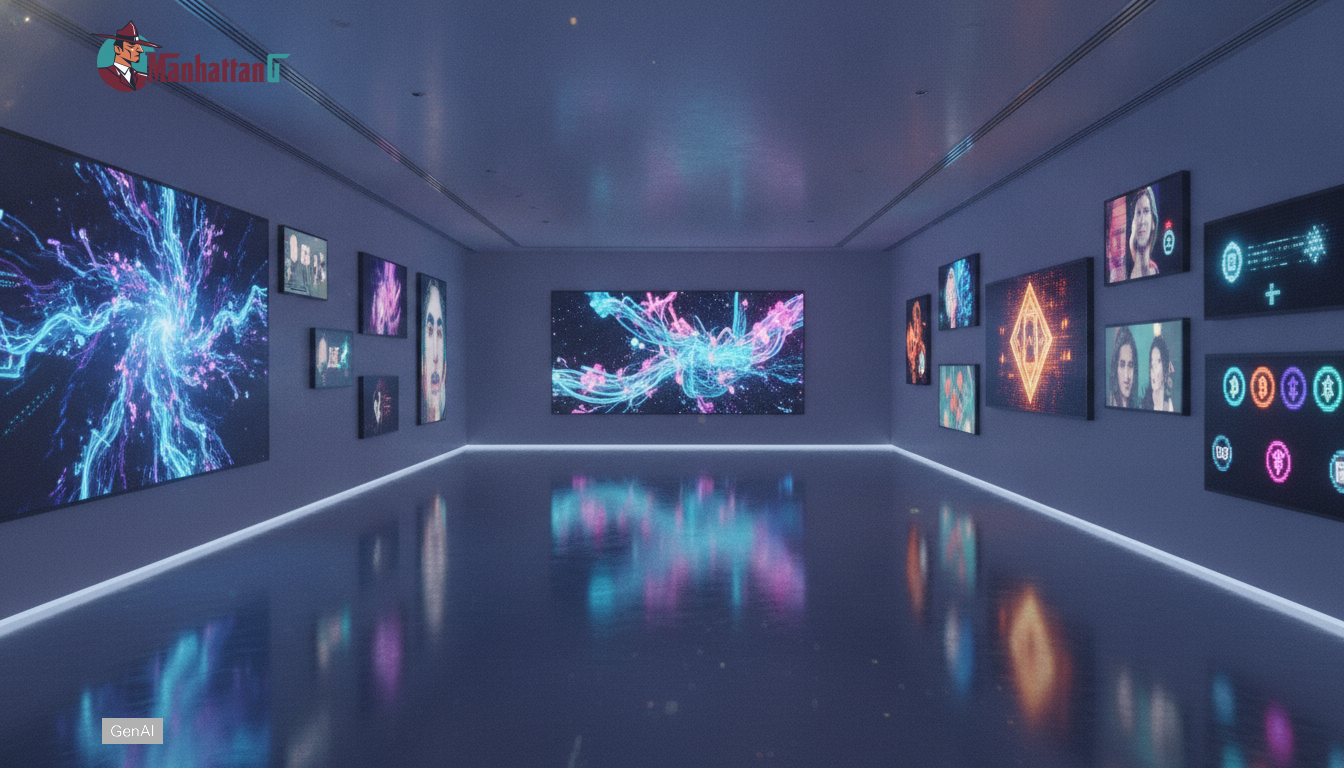
What Makes Foundation an NFT Art Gallery?
According to available reports, Foundation takes on a role more curated than a typical marketplace. It’s seen as a venue rich with provenance and context signals. The NFT art gallery experience it offers is marked by timed auctions and a focus on on-chain history. This approach allows buyers to gauge authenticity and intent before jumping in. A strong Ethereum association means token history is transparent, enhancing confidence. Instead of high volume, Foundation emphasizes social proof and collector attention. Creators often set auction windows and build narratives, concentrating demand at specific moments.
Foundation’s Strategy for Drops and Auctions
As observers indicate, Foundation leans on strategic drop discipline and targeted audiences, moving away from mass listings. Creators use clear edition structures and consistent timelines to support price discovery. For a broader Ethereum outlook, NFT Evening looks into Vitalik Buterin’s lean path for insights into on-chain dynamics. Timing and messaging are vital, as echoed in Labour 2026. Collectors see focus in structured auction windows, pulling bidder attention in a big way.
Why Artists and Collectors Thrive on Foundation
Working artists potentially gain clearer price metrics and a trackable collector graph, fostering repeat buyers. With an awareness of market cycles, creators adjust their release strategies. This auction-driven, gallery-style model opts for coordinated promotion and demand-aligned supply. Reports suggest that in times when market participation slows, as seen here, stronger curation signals may prove beneficial. Consistent branding, visible bidding history, and robust creator context may lower risk for collectors when liquidity drops.
Impact on Pricing and Norms
Collectors observe Foundation’s influence shaping norms around presentation, scarcity, and bidder expectations. Though tricky to quantify, such influence could inspire other marketplaces to mimic these traits for competitive edges. As regulatory dialogues shift, risk perception might evolve. Insights from here show why participants keep tabs on policy developments. Fluctuating token liquidity focuses attention on verified and high-conviction listings, driving curated venues to stress metadata consistency and storytelling to engage buyers.
The Future Path for NFT Art Galleries
According to available analyses, the future may see art gallery models honing provenance assurances and clearer communication of rights, reducing buyer uncertainty. A gallery-like platform could invest in identity checks and verification processes, allowing collectors quick risk evaluation. The competitive edge might lie in balancing openness with strict curation to maintain diversity without losing focus. Foundation seems to navigate a middle course—a managed release pipeline open to theme experimentation. Creators are moving away from sheer volume to concentrate on impactful, signal-rich drops that build trust over time.
Recent Comments