
NFT’s Market Updates: What Changed After the BitMart Halt
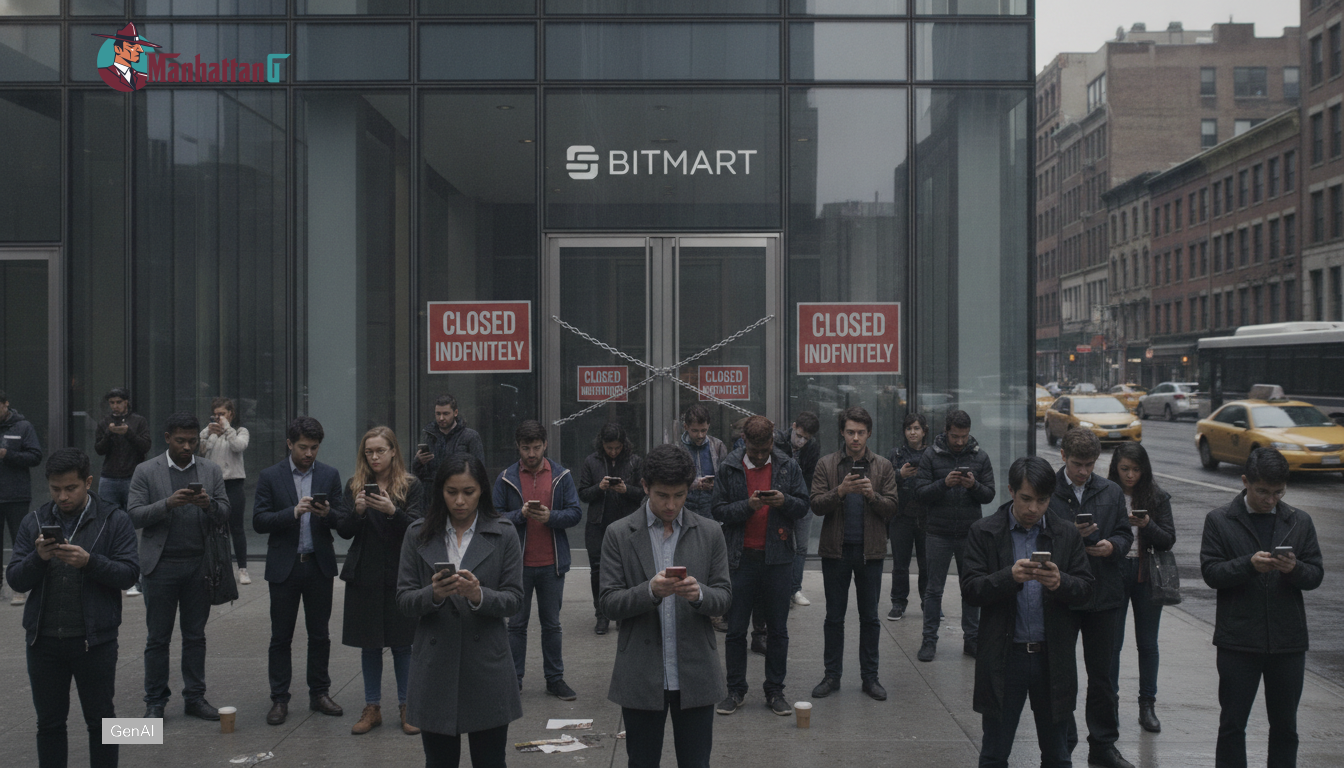
NFT’s market updates usually cover shifts in prices, liquidity, launches, and wallet behavior. This week, the headline catalyst was BitMart: as indicated by emerging reports on social media, some customers faced a sudden service halt that limited access to funds and collectibles, igniting fast-moving rumors and defensive on-chain positioning. Right now, the market signal seems to be operational uncertainty rather than any confirmed breach, based on the lack of a cited official incident summary. Because timing is critical for mints and secondary sales, even a brief interruption can reshape bids, floor pricing, and creator scheduling across multiple collections. Here’s a wider view of what may have moved, what did not, and the indicators that matter beyond one venue.
Liquidity, Pricing, and Venue Risk During Exchange Disruptions
When a trading venue pauses key functions, NFT markets often react through liquidity first: bids can thin out, spreads can widen, and traders may reduce exposure because settlement timing is uncertain. Unverified reports of queued withdrawals increased perceived custody risk for some participants, reportedly pushing activity toward marketplaces that rely on direct wallet signing. For a longer view on how liquidity and sentiment can swing across cycles, see NFT Market Trends and Insights for Investors in 2026, which frames why downtime can alter positioning even when details are still emerging. Even without verified losses, markets commonly price operational downtime as a risk probability rather than a certainty. As a non-crypto parallel on how sudden disruptions change consumer behavior quickly, https://londonews.com/bus-fare-cap-england-to-cap-fares-at-2-from-january/ shows how policy shocks can drive immediate, practical shifts, and traders often react just as fast.
On-Chain Signals: Wallet Flows, Fees, and Transfer Backlogs
During a disruption like the reported BitMart shutdown, traders typically watch exchange-linked hot wallet movements and the pace of outgoing transfers to infer whether requests are backlogged or throttled. One commonly observed pattern in similar events is a shift toward self-custody; when that happens, network congestion and transaction fees can rise, making NFT transfers slower or more expensive. Infrastructure risk has been highlighted in adjacent reporting, including Allbridge Core pauses bridge after $1.66M Solana flash loan exploit, illustrating how quickly activity can stall when rails pause. If backlogs persist beyond a venue’s normal processing window (which varies by platform and is not specified here), traders may face missed mint windows, reduced arbitrage options, and more canceled listings.
Creator and Collector Impact: Mints, Listings, and Custody Decisions
Creators and collectors can feel the effects through scheduling and execution risk. If buyers cannot move funds or NFTs on time, primary drops may be postponed and secondary listings pulled to reduce the chance of failed settlement, according to common marketplace practice during operational uncertainty. The practical response is usually a higher preference for self-custody workflows and clearer operational transparency from venues, especially when restoration estimates are not detailed publicly. For readers reviewing custody choices and safeguards, NFT in 2026: Uses, Risks, and Practical Next Steps provides a framework for minimizing single points of failure, and many teams now treat a delayed transfer window as a direct scheduling constraint. Regulatory attention to custody standards also shapes expectations; SEC Crypto Stance Tested by Crypto Vault Custody Boom explains why disclosures and controls are increasingly viewed as core to market resilience rather than optional messaging.
What to Watch Next in NFT Markets Beyond BitMart
Beyond the immediate venue issue, NFT’s market updates should track three practical areas: settlement reliability across platforms, verifiable on-chain accounting for custodial addresses, and how quickly companies publish clear incident timelines. Confidence can recover quickly if normal processing resumes, but a prolonged pause can redirect volume to alternatives users view as more transparent, based on prior market behavior during outages. Traders also watch whether broader liquidity returns, since thin order books can linger after an operational issue is resolved. Over time, recurring disruptions may accelerate adoption of direct wallet signing and reduce reliance on centralized custody for time-sensitive trades. In short, the BitMart event matters, but the bigger story is how the market reprices operational risk and chooses venues accordingly.


Recent Comments