Colorado’s NFT Initiative Explained
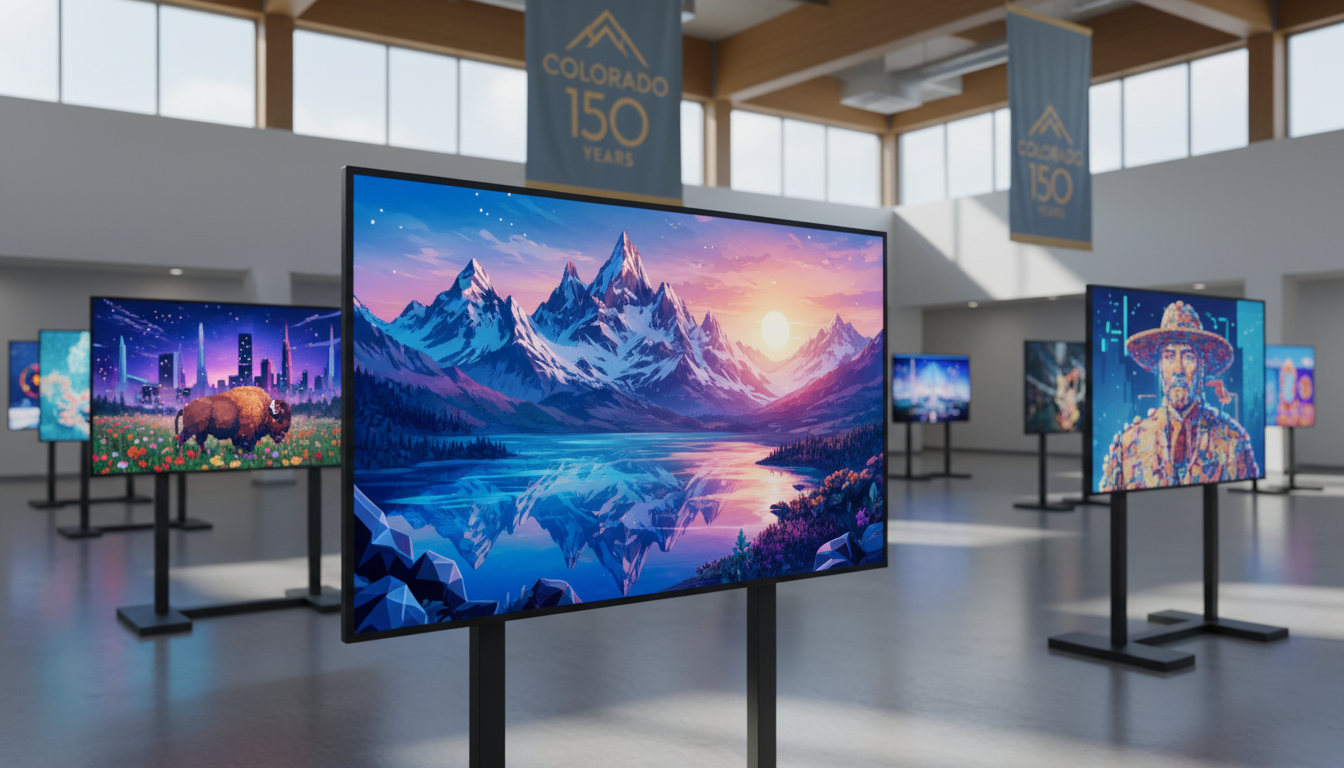
Colorado’s 150th anniversary campaign is rolling out a blockchain based art drop tied to the state’s official celebration calendar. Officials have framed the release as a collectible program that can be shared online while also functioning as a record of participation, and Today it is being promoted alongside other sesquicentennial programming. The centerpiece is Colorado NFT art, presented as a way to spotlight local creators and to attract audiences who collect digital assets rather than physical souvenirs. The public timeline and messaging come from state celebration materials and the governor’s office communications, which emphasize statewide visibility over rarity mechanics. A Live rollout format is being used for announcements as new pieces and partners are introduced.
Cultural Significance of NFT Art
Supporters inside the arts community argue the concept can widen cultural access if the art is easy to view and not locked behind paywalls. They point to NFTs cultural impact as a modern extension of public art, especially when works reference place, labor, and landscape, rather than pure speculation. Today, the critical test is whether the drop functions as civic storytelling or as a short term marketing hook, and curators are watching how the state describes provenance and licensing, as noted in Are NFTs Actually Back? Ethereum PFP Collections Are Rallying. Coverage of shifting collector behavior has highlighted how quickly sentiment can change. An Update to exhibition partners could determine whether schools and libraries can use the visuals without friction.
Critics Debate the Timing and Relevance
Critics have focused less on the art and more on whether a state celebration should lead with a format associated with market cycles and past hype. Some local voices have labeled the plan NFT art criticism in action, arguing the timing is off when many households are focused on cost of living and when public agencies face trust issues. Today, skepticism also centers on education, because new users may not understand wallets, custody, or secondary markets, even if the state avoids sales language, and for a snapshot of unrelated political controversy that shows how narratives can dominate public attention, see UK Supreme Court Backs Government in Legacy Case. A Live debate has formed around the state’s communications choices, including how it distinguishes commemorative participation from investment cues. An Update on consumer protection messaging may calm the sharpest objections.
The Role of NFTs in Art and Culture
Whatever the outcome, the experiment is forcing arts administrators to clarify what blockchain adds beyond a typical digital gallery. The state’s approach puts pressure on definitional issues, such as whether ownership conveys display rights, and how long files are expected to remain accessible, and readers seeking that context can review NFTs Explained: Context, Uses, and Market Players. Colorado NFT art also reopens the question of whether cultural institutions should recommend specific platforms or remain vendor neutral while still ensuring users can actually redeem and view what they receive. The strongest practical guidance in the sector has been basic literacy on token standards and custody. Live monitoring of scam patterns is relevant here, because state branding can be impersonated quickly. Another Update worth watching is whether creators receive clear terms about royalties and reproduction.
Future of NFTs in State Celebrations
The next phase is likely to hinge on transparency, because public agencies are held to a different standard than private drops. If Colorado publishes clear rules on licensing, storage, and long term access, the program could be judged on civic value instead of market chatter. Today, other governments are watching for proof that a digital collectible can increase attendance, donations, or classroom engagement without pushing residents into risky behavior, and Colorado NFT art will also be measured against the durability of its hosting, since cultural records are expected to outlast any single platform. Live community feedback at museums and festivals may supply the most meaningful signal of success, not secondary prices. An Update to procurement or archiving practices, including how metadata is preserved, will determine whether the anniversary artifact remains accessible for decades.


Recent Comments