
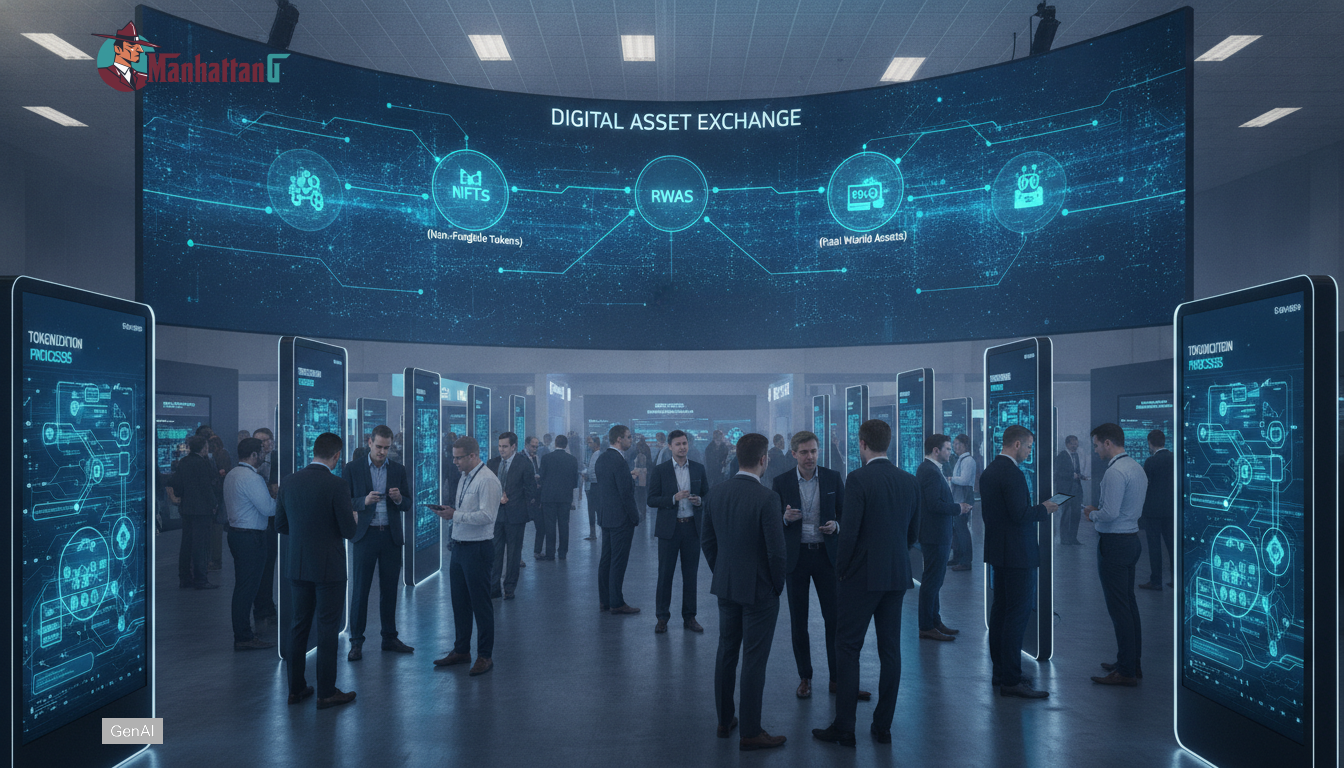
Unpacking Digital Assets: Changing Ownership
Digital assets are blockchain-based records that can represent value, rights, or ownership, from NFTs to tokenized real-world assets. Interest is rising as holders seek clarity on ownership, transfer processes, and dispute outcomes. In 2026, many observers suggest the market breaks down into two tracks: NFTs, encoding unique digital items, and RWA tokenization, linking tokens to legal claims on offchain assets or cash flows. This guide outlines how each works, where liquidity emerges, and the specific risks tied to collectibles versus regulated instruments. The goal is assisting readers in mapping custody, compliance, and enforceability before treating tokens as lasting property.
Exploring NFTs: Value Beyond Hype
NFT markets are moving past hype cycles to demonstrate utility and clearer provenance. Reports indicate creators now often pair onchain metadata with licensing terms, while platforms enhance collection verification and royalty processes. For users managing portfolio exposure, the critical question is whether these digital assets offer usage rights, community access, or purely collectible value, as each behaves differently when liquidity contracts. Corporate trials frequently emphasize token-gated media, ticketing, and in-game items, where transfers are routine, and compliance overhead is reduced.
RWA Tokenization: Institutional Evolution
RWA Tokenization is advancing rapidly where institutions map tokens to existing legal claims and automate settlement and reporting. According to available reports, in the UK, “50 plus firms” reportedly joined a tokenization taskforce focused on tokenized finance standards, as detailed by NFTEvening. Regulatory signals matter for participants in RWA crypto since they could heighten expectations around custody, disclosures, and auditability. Tokenization companies are responding with permissioned rails and third-party administrators to bolster compliant issuance.
NFTs vs RWA Digital Assets: Legal and Market Dynamics
The distinction lies in what each token represents and how disputes resolve. NFTs generally signify unique digital records relying on authenticity, community, and platform support, while RWA tokens aim to embody enforceable claims on offchain assets, cash flows, or regulated instruments. Both leverage smart contracts, key management, and market infrastructure that may falter under congestion or faulty design. For investing basics and categories, NFT Guide 2026: Trends, Categories, Investing Tips breaks down common market segments, noting that risk stacks differ: NFT holders risk platform delistings and metadata issues, whereas RWA holders face issuer solvency and jurisdictional limits.
Evaluating Digital Assets in 2026: Strategies and Outlook
Integration is transforming how issuers design products, using hybrid strategies that connect NFTs to memberships or verified warranties potentially supporting secondary sales. The short-term effect is on market depth, as merging collectible demand with cash-flow narratives can entice new buyers, although it also demands higher disclosure standards. Derivatives activity amplifies these movements; NFTEvening noted a supposed 2026 high of $11B in open interest alongside RWA market growth, urging readers to treat such figures as suggestive unless independently confirmed. For long-term resilience, emphasize clear issuer documentation, audited records, standardized metadata, and recovery-aware custody to ensure these holdings endure platform and policy changes.



Recent Comments