
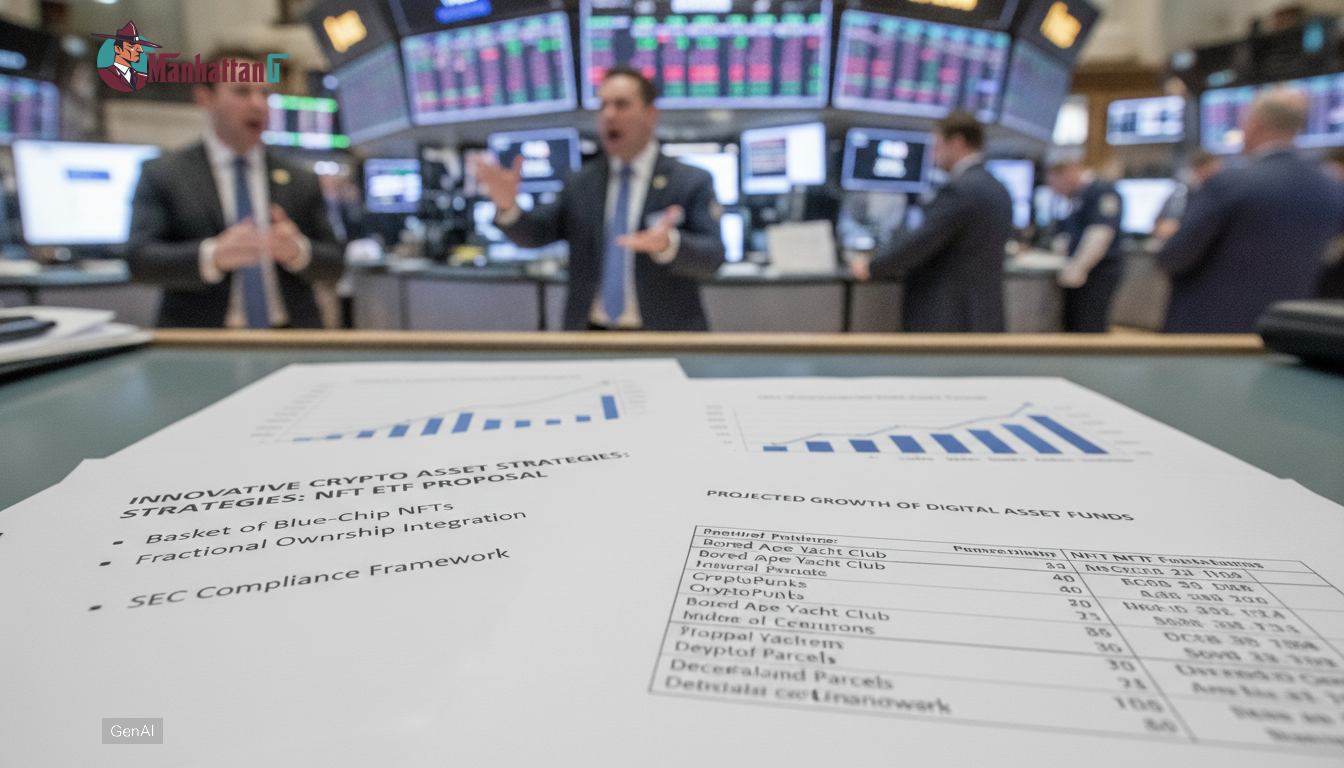
What an NFT’s ETF Means for US Investors
An ETF linked to NFTs (an NFT’s ETF concept) is being explored as issuers look for ways to wrap nontraditional digital assets inside familiar, regulated exchange traded funds. In the US, the question is not just demand, but whether NFT exposure can be priced daily, custodied safely, and disclosed clearly enough for mainstream brokerage distribution, and whether an NFT’s ETF can meet those requirements consistently. As the SEC reportedly reviews a growing list of novel ETF proposals, product teams are evaluating how this structure could fit into creation and redemption mechanics, listing rules, and investor protection standards. The focus is shifting from hype to operational feasibility: valuation methods, liquidity assumptions, and whether market surveillance can support the underlying venues that influence pricing.
SEC Review Signals and What They Imply for an NFT’s ETF
Regulatory attention is centered on whether ETF wrappers can hold or reference unconventional exposures while maintaining consistent disclosures and market integrity. As indicated by reports, more than two dozen election-related ETF filings are under SEC review, potentially influencing an NFT’s ETF design. For custody sensitivity in crypto markets, see https://nftevening.com/binance-3-3b-monthly-outflows-eth-withdrawals-3-year-high/?utm_source=rss&utm_medium=rss&utm_campaign=binance-3-3b-monthly-outflows-eth-withdrawals-3-year-high, and for a cross-market perspective on oversight structures, see https://vaticanthreads.com/ior-appointment-adds-marina-natale-to-oversight-board/. This signals that issuers might need clearer risk language, tighter surveillance, and verifiable controls before a listing can scale.
Market Infrastructure Effects: Liquidity, Pricing, and Risk Controls
If regulators permit more unconventional exposures inside ETFs, core market plumbing would need to absorb new pricing, hedging, and liquidity risks. In practice, broker-dealers typically evaluate whether intraday liquidity and transparency can be maintained, especially when reference prices derive from fragmented venues or markets with different hours; related context on crypto market behavior and investor positioning appears in https://manhattang.com/bitcoin-price-resilience-holds-near-60k-on-tensions/, which describes how quickly risk narratives can change in digital asset allocations. For an ETF that targets NFT exposure, the challenge can be amplified because many NFT markets are thin and can gap, which can make fair value procedures and NAV calculation a central compliance issue. Asset managers may also face reputational risk if retail investors interpret novel strategies as plain index exposure.
Design Challenges and Opportunities for Issuers
For issuers, a primary hurdle is building verifiable pricing for NFTs without leaning on unreliable floor prices or sparse marketplaces, then translating that valuation into a daily NAV with an auditable methodology. Custody is equally central because, in a regulated product context, regulators and auditors generally expect clear control frameworks, segregation procedures, and incident response planning for private keys when a fund touches tokenized assets; legal precedent is also watched closely by compliance teams, and https://manhattang.com/nft-insider-trading-case-overturned-on-appeal-ruling/ provides an example that may influence how market conduct arguments are discussed. Where the structure works, NFT’s investments could be packaged with familiar protections such as daily reporting, standardized disclosures, and broker suitability checks, assuming liquidity and custody can be independently demonstrated.
Outlook for NFT’s ETF Products in Mainstream Portfolios
The next phase will likely be shaped by whether exchanges, custodians, and index providers can document controls that regulators can test, rather than by marketing narratives, and policy timing may matter as well. For example, https://manhattang.com/clarity-act-delay-makes-aug-7-a-focus-for-nft-regulation/ notes Aug 7 as a focus date tied to NFT regulation discussions, which could influence product planning and disclosure posture for an NFT’s ETF. Market participants are also tracking protocol work, including updates referenced in https://nftevening.com/vitalik-buterin-outlines-lean-ethereum-path-lighter-consensus-validator-privacy/?utm_source=rss&utm_medium=rss&utm_campaign=vitalik-buterin-outlines-lean-ethereum-path-lighter-consensus-validator-privacy, because settlement finality, validator privacy, and network resilience can affect operational risk for token-linked exposure. If this ETF format becomes viable, it will likely start with conservative designs that emphasize transparent pricing, robust custody controls, and limited collection specific risk.



Recent Comments