
What Exactly Are NFT Games?
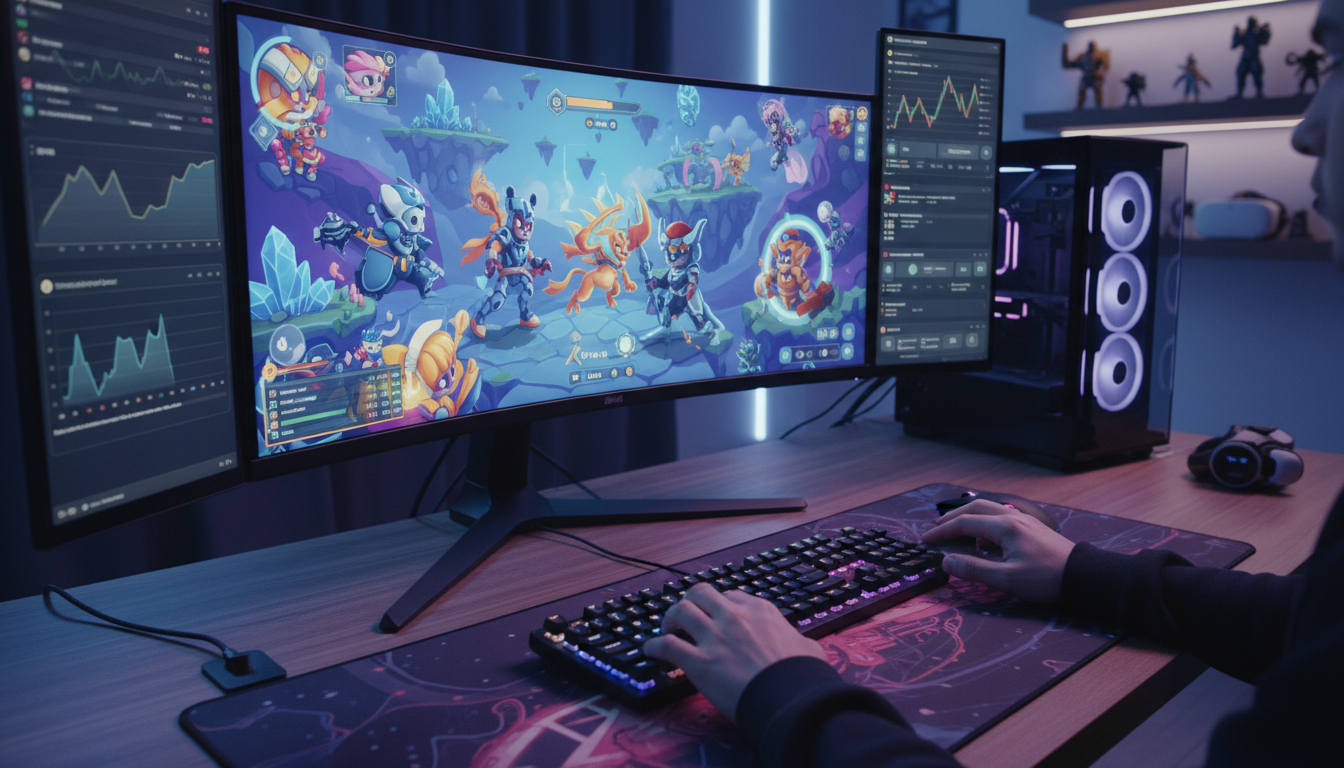
Publishers are shifting release plans today as tokenized items move from side projects to core monetization. In practical terms, players buy, win, or mint unique in game items that can be held outside a single title, and in NFT games that ownership layer changes how value is perceived. Many studios now treat these as digital assets with a marketplace price, not just cosmetics locked to an account. Coverage is increasingly Live because trading volume and community sentiment can change hourly during launches. Binance Academy explains that the non fungible token proves ownership and can be transferred or sold on compatible platforms. An Update cycle often follows new seasons, when rule changes affect how items enter circulation. The result is a game economy that behaves more like a financial market.
How NFT Games Operate Within Blockchain
Most designs rely on blockchain technology to record item IDs, ownership, and transfers, while the game client renders the visuals and rules. Wallet connections are now being simplified today as studios reduce friction around signing transactions and paying fees. A Live launch usually includes smart contracts for minting and for marketplace listings, plus checks that prevent duplicate items, and for a current policy angle, CLARITY Act NFT safe harbor analysis tracks how US lawmakers could define boundaries for collecting and trading. Separately, BBC Stress Test Puts UK Eurovision Act Under Heat shows how public scrutiny can intensify when digital communities mobilize fast. Each Update to a contract or marketplace policy can alter supply, fees, and resale conditions.
The Growing Impact of NFT Games on Players
Player behavior is changing today because ownership can persist even when a title loses popularity. When items can be moved or sold, time spent grinding starts to look like inventory building, and that directly affects session patterns. Some communities follow Live floor prices as closely as patch notes, which can create pressure to play during narrow windows, and for a consumer view, NFTs Resurge, Redefining Digital Ownership Rights outlines how ownership language is evolving and where rights still fall short. In markets where bitclassic.org nft chatter is active, influencers often push narratives about scarcity and utility, while developers try to keep expectations grounded. An Update on account security also matters, because wallet compromise can mean irreversible loss.
Challenges and Opportunities in NFT Gaming
Regulators and app stores are applying new pressure today, forcing studios to prove that token features are compliant and not misleading. Binance Academy notes that smart contract code can enforce scarcity, but it cannot guarantee that a game remains fun or that a market stays liquid, and that distinction is now central to consumer warnings. For a market snapshot, Ethereum PFP collections rally coverage illustrates how sentiment can swing even when major coins are flat, which can spill into game item pricing. Developers are responding with tighter disclosures, clearer fee schedules, and slower emission curves. Each Live event or tournament can still trigger volatility, so an Update cadence for economics is becoming part of responsible operations.
The Future of NFT Games in Digital Collectibles
Roadmaps are being rewritten today around interoperability and licensing, as studios test whether collectibles can travel across titles without breaking balance. The near term focus is on infrastructure that makes transfers cheap and predictable, plus custody tools that reduce mistakes during high traffic moments. Executives in the gaming industry are also watching how IP holders negotiate royalties and how marketplaces treat creator fees, because those policies shape long run incentives. A Live emphasis on transparency is emerging, with public dashboards for mints, burns, and treasury flows becoming standard practice. Binance Academy stresses that ownership records are only as useful as the surrounding rules for access and utility, so design choices matter more than hype. The most credible Update signals will come from audited contracts, stable player numbers, and consistent in game value, not slogans.


Recent Comments