
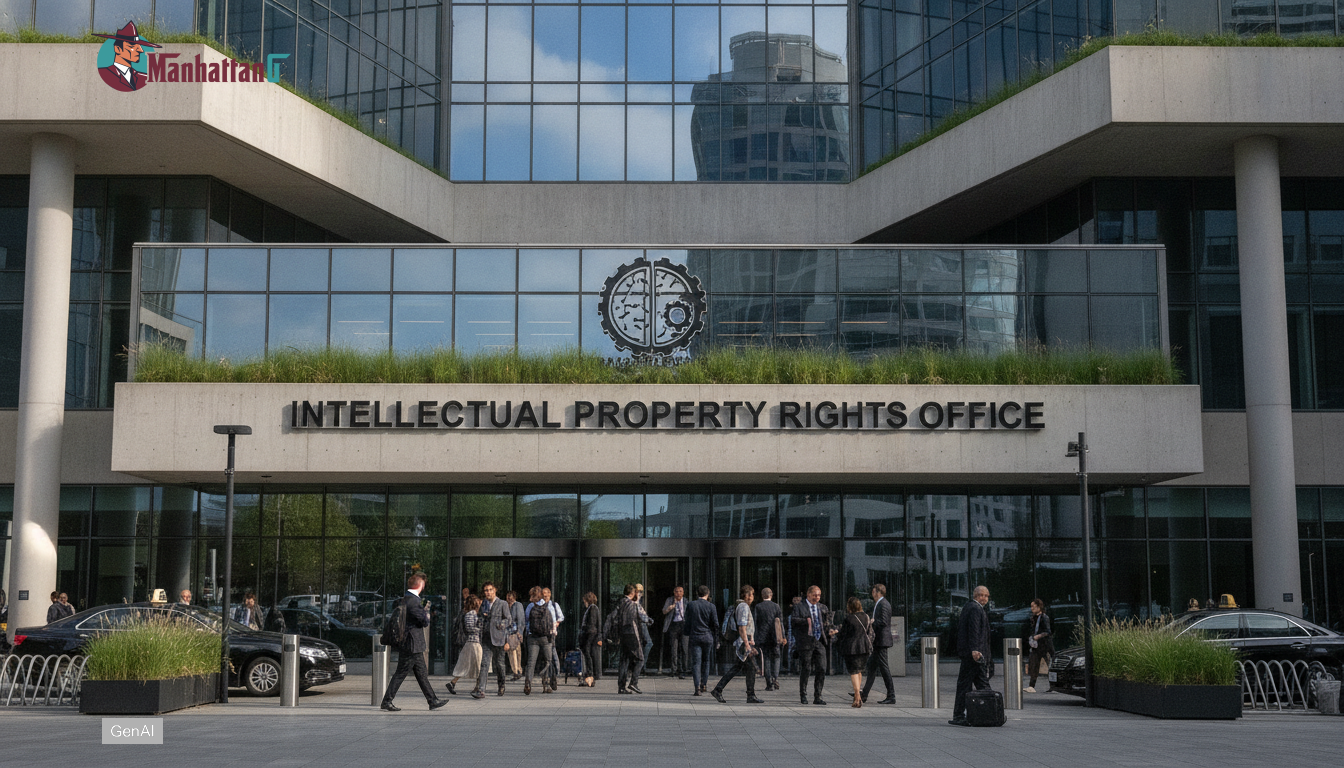
NFT Legal Issues and Intellectual Property Rights
Regulators and industry groups are pushing for clearer ownership and licensing terms as debates heat up in 2026. Much hinges on whether a buyer gets copyright, a limited license, or just a token pointing to content. According to the United States Patent and Trademark Office, brand protection, copyright claims, and marketplace terms can clash, especially when metadata changes or files vanish. Courts generally apply conventional tests for infringement, but sellers’ anonymity complicates enforcement. This makes clearer licenses and reliable workflows vital in major marketplaces.
Licensing, Marketplaces, and Consumer Protection
Compliance teams are treating tokens like content licenses that might trigger consumer protection obligations. According to available reports, creators often face disputes when their assets use third-party content without permission. The USPTO has studied these friction points, indicating that unclear provenance and misleading listings cause conflicts. For a quick view on advertising enforcement, see Jaded London Smoking Ad Banned by ASA in the UK. There’s also debate on whether certain NFT offerings could be investment contracts, a topic the U.S. Securities and Exchange Commission has publicly explored.
Current NFT Regulation Landscape
NFT regulation is shifting, with policymakers in 2026 pushing for stronger disclosure and custody controls. Agencies, as indicated by reports, are keeping an eye on marketing claims and risk warnings to support investigations into scams. An example is Coldcard Warns Users After Entropy Flaw Linked to Suspected $88.6M Bitcoin Sweep. These patterns influence how platforms handle provenance and promotions, aiming for faster delisting and notice procedures.
Challenges for Creators: Clearance, Royalties, and Records
Creators face high demands to document rights clearance and clarify a token’s usage rights. Issues often stem from projects using community art or generative models without proper permissions. A related look can be found at NFT challenges Reshape Art and Media Law in 2026. Disputes over resale royalties and sublicensing often conflict with marketplace terms, driving teams to standardize license texts and maintain detailed records.
What to Expect Next for NFT Legal Issues
Expect rules that focus on provenance and advertising standards, aiming to protect victims without halting commerce. As indicated by the USPTO, enforcement may need adaptation due to decentralized storage, requiring coordinated takedowns. Cross-border anti-money laundering efforts may also influence onboarding processes for larger platforms. Teams that integrate compliance into product design could gain a sustainable edge.


Recent Comments