

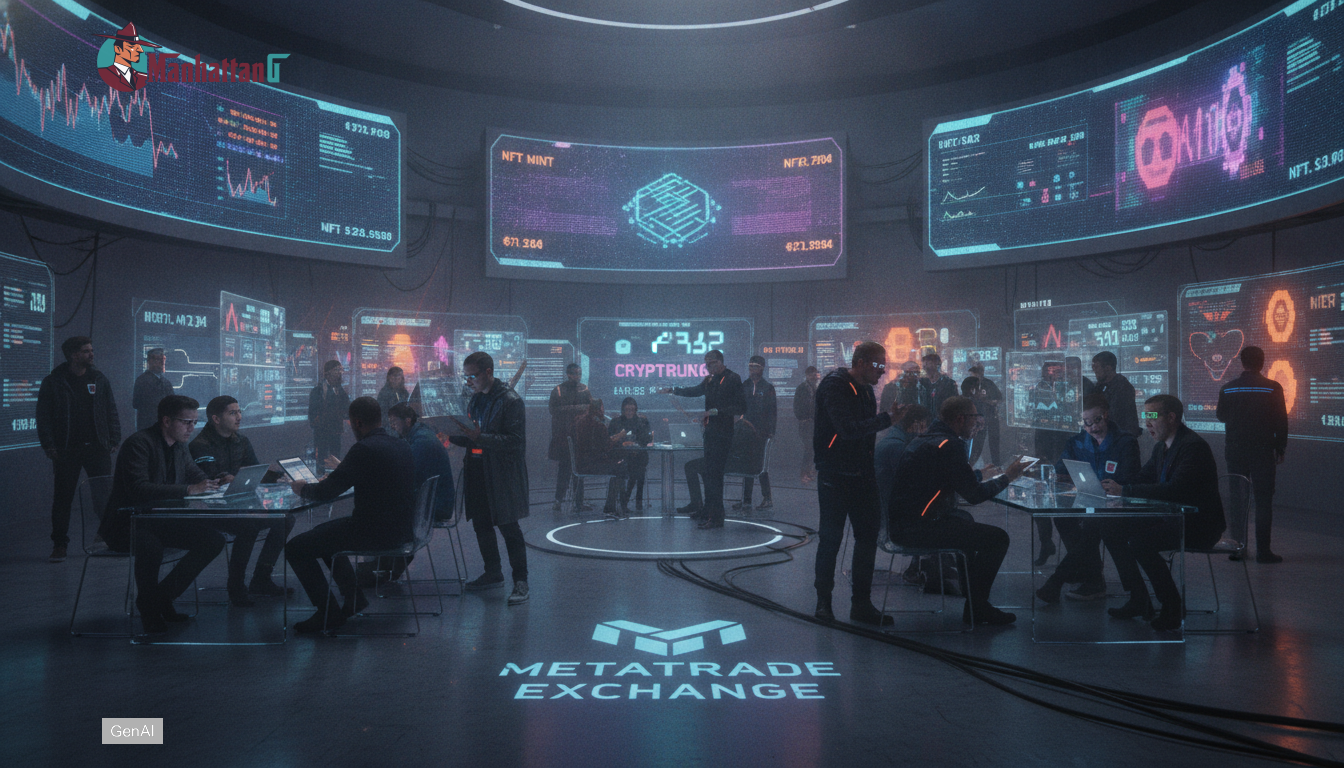
Overview of NFT market growth in 2025
In 2024 and 2025, marketplaces and creators have increasingly emphasized clearer licensing, better royalties tooling, and stronger fraud controls to keep buyers active after a first mint, though approaches vary by platform. NFT market growth appears to be shifting from collecting based on trends to repeat usage tied to games, memberships, and commerce. Weekly trading can still swing with crypto prices, but demand is often discussed as being increasingly linked to access and utility rather than status art alone. Analysts and industry commentators have pointed to more brands experimenting with token-gated perks, and more platforms adding fiat onramps and simpler custody. Together, these changes can lower friction for new users and potentially improve retention for existing collectors.
NFT market growth drivers: access, compliance, and wallets
Distribution is a major driver because wallets and exchanges determine how easily newcomers can acquire and custody tokens. Market participation is also influenced by macro headlines that affect risk appetite, including UK rates held as Iran conflict risks cloud outlook. Coverage of mainstream rollout plans, such as Telegram plans native Gram wallet rollout for 1 billion users this summer, suggests how embedded wallets could shorten the path from interest to purchase if those plans materialize as described. For issuers, clearer compliance steps and more standardized metadata may reduce operational friction when onboarding brands, although requirements differ by jurisdiction and marketplace policy. These factors can expand the addressable pool of buyers over time.
Market dynamics shaping demand
Trading volumes and new launches are often influenced by settlement speed, evolving royalties tooling, and shifting platform policies around enforcement and risk. Deal flow is frequently described as moving toward utility-based collections that bundle access, licensing, and in-game items rather than purely profile art. For additional context on how collectors are adapting to these mechanics, see NFT Market Shifts: How Collectors Thrive. In that context, growth is increasingly evaluated less by short hype cycles and more by recurring usage across marketplaces and apps. Liquidity can remain fragmented across chains, while bridges and aggregator routing are marketed as ways to narrow spreads and reduce failed transactions, though results depend on network conditions and execution. These mechanics can push more capital toward curated drops with transparent provenance.
Investor strategies and opportunities in NFT market growth
Capital is rotating into segments where cash flows or durable demand can be observed or reasonably inferred, including gaming items, music rights experiments, and loyalty passes. Instead of chasing floor price momentum, many buyers evaluate issuer credibility, contract upgrade policies, and marketplace enforcement, according to common frameworks shared by market participants. Portfolio construction is sometimes compared to venture-style underwriting, with attention to distribution partners and retention metrics. For context on how professional readers are framing allocation choices, NFT Market Moves: Essential Investor Insights tracks how sentiment shifts around liquidity and custody. NFT market growth also depends on secondary market depth, since pricing discovery can become unreliable when trading concentrates in a few collections.
Blockchain trends and what comes next
Network design decisions shape user costs, settlement speed, and safety tooling, which can influence whether buyers return after an initial mint. Layer 2 scaling and alternative data availability approaches are widely discussed as ways to reduce fees for high-frequency actions such as game crafting or ticket scanning, though actual savings depend on chain choice and usage patterns. These blockchain trends are reinforced by financial product experimentation, including Grayscale plans quarterly cash payouts from ETH and SOL staking rewards, which is presented as a signal of continued interest in yield-style narratives around token ecosystems. At the same time, some marketplaces are integrating risk scoring, contract allowlists, and suspicious activity monitoring to help deter wash trading and other abuse, with effectiveness varying by implementation. For more on how allocations can change with adjacent crypto shifts, read NFT Investments React as Bitcoin Miners Eye AI Shift. Over the medium term, growth will likely hinge on trust, interoperability standards, and enforceable creator policies.
Predictions for the NFT market
According to available reports, the NFT market could potentially reach USD 147.24, as indicated by Technavio. This potential growth highlights expanding interest and usage in various sectors, including entertainment and virtual real estate. As more mainstream entities explore NFTs, the integration could lead to a diversified digital asset ecosystem. Keeping an eye on regulatory shifts and market volatility will be essential for investors navigating this evolving landscape.

Recent Comments