
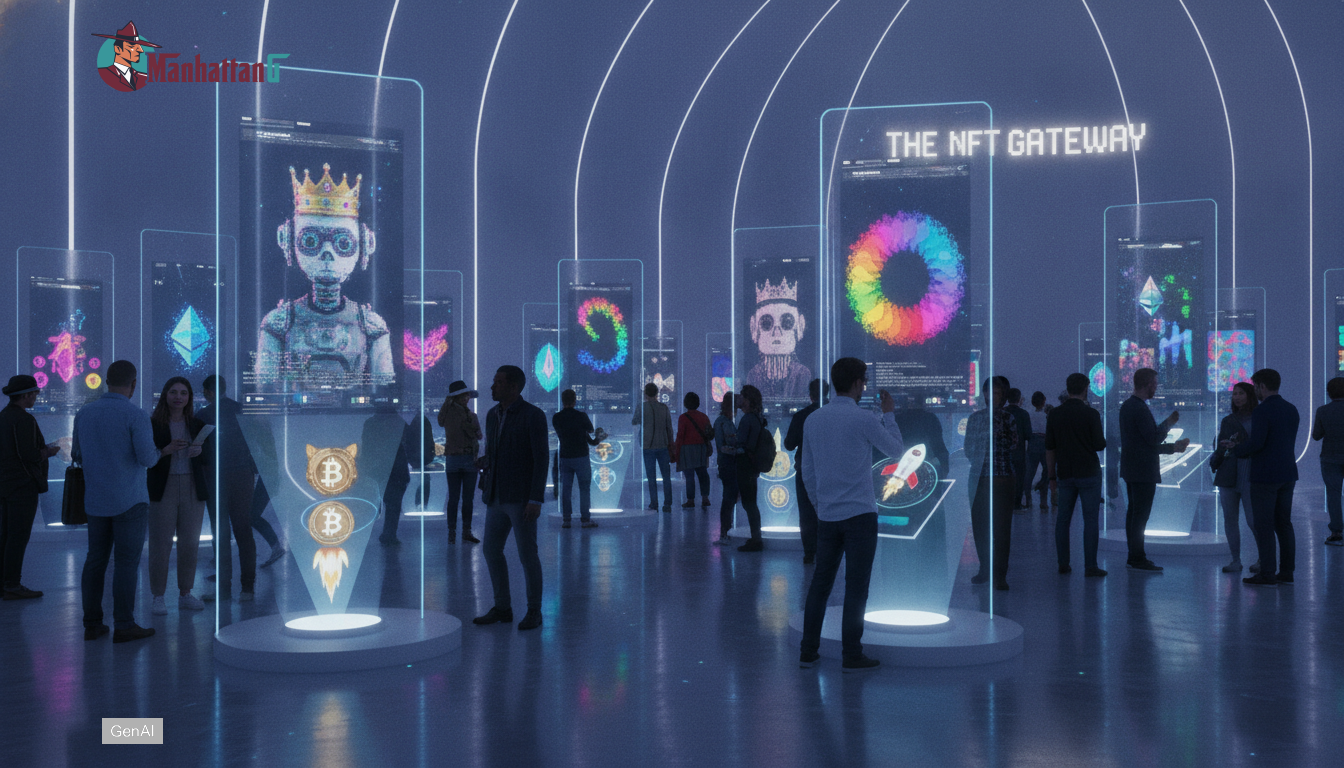
Driving Forces Behind NFT Demand Surge
Demand for NFTs is increasingly tied to how quickly digital art is discovered, purchased, and resold across major marketplaces. Collectors are shifting budgets toward tokenized artworks as galleries, brands, and platforms compete for attention. According to Technavio, the acceleration is linked to digital art discovery and improved creator toolkits, which can reduce friction from mint to sale. Artists are minting limited editions and buyers are paying for transparent provenance and clearer licensing. Auction houses have continued to test on chain formats, which can help normalize NFTs as a distribution rail for contemporary work. As these behaviors scale, the market’s expansion becomes less about hype cycles and more about repeatable buying, selling, and creator income.
NFT Market Growth Forecast for 2025-2029: USD 84.13B
Forecasts are tightening as analysts map adoption across entertainment, gaming, and collectibles. According to available reports from Technavio, the global NFT market may grow by USD 84.13 billion during 2025-2029, potentially marking the period as a key planning window for creators and platforms. For a cross sector view of policy pressure, see Ofcom investigation TikTok: UK probes child age checks, as the estimate implies expansion even if broader crypto volatility persists, because NFTs are being positioned as content licenses and community access tools as well as collectibles. This outlook also overlaps with broader tokenization efforts and institutional participation, including BlackRock, JPMorgan and Coinbase among 50+ firms joining UK tokenization taskforce as regulation and infrastructure mature. The period remains a key planning window for creators and platforms.
Digital Art Demand and Marketplace Mechanics
Digital art remains a major catalyst because it benefits directly from provenance, scarcity controls, and transparent transaction history. Marketplaces are leaning into curation, identity checks, and copyright tooling to reduce counterfeits and improve buyer confidence. Better metadata standards and clearer license language help collections travel across platforms without losing context, which can support liquidity rather than fragmenting it. For recent context on pricing, flows, and participation signals, compare trends with July 2026 NFT market updates: prices, flows, rules, which is where NFT market growth can compound: more confident buyers tend to transact more often and at higher price points, while artists can plan releases around predictable demand rather than one off spikes.
AI Impact on Discovery and Custody
AI is being deployed to improve discovery, pricing signals, and fraud detection, while creators use generative workflows to scale production. According to available reports from Technavio, AI is both a catalyst and a governance challenge because synthetic content can expand supply and complicate originality checks. In custody and user experience, product design is shifting toward assisted execution and automated safeguards, as explored in Ledger Wants AI Agents to Manage Crypto Without Holding Users’ Keys. These systems can also label collections, detect potential wash trading patterns, and route buyers to relevant drops. If applied responsibly, AI can reduce operational mistakes and speed up verification, which may support market adoption by improving retention.
Risks and Opportunities as the Sector Expands
Even with stronger demand signals, several frictions can limit conversion from interest to sustained participation. According to available reports from Technavio, expansion depends on trust factors such as counterfeit artwork, inconsistent royalty enforcement, and policy shifts by major marketplaces. Liquidity fragmentation can remain a constraint when assets are split across chains and venues that do not share verification standards. Regulatory clarity will shape how these products are packaged; readers can track developments in NFT Regulation: Joint IP Study Signals New Oversight. AI adds complexity because automated generation can raise the burden on authentication and moderation teams. On the opportunity side, NFT market growth creates room for service providers focused on royalties, metadata permanence, and enterprise onboarding for brands that need compliance ready workflows.



Recent Comments