
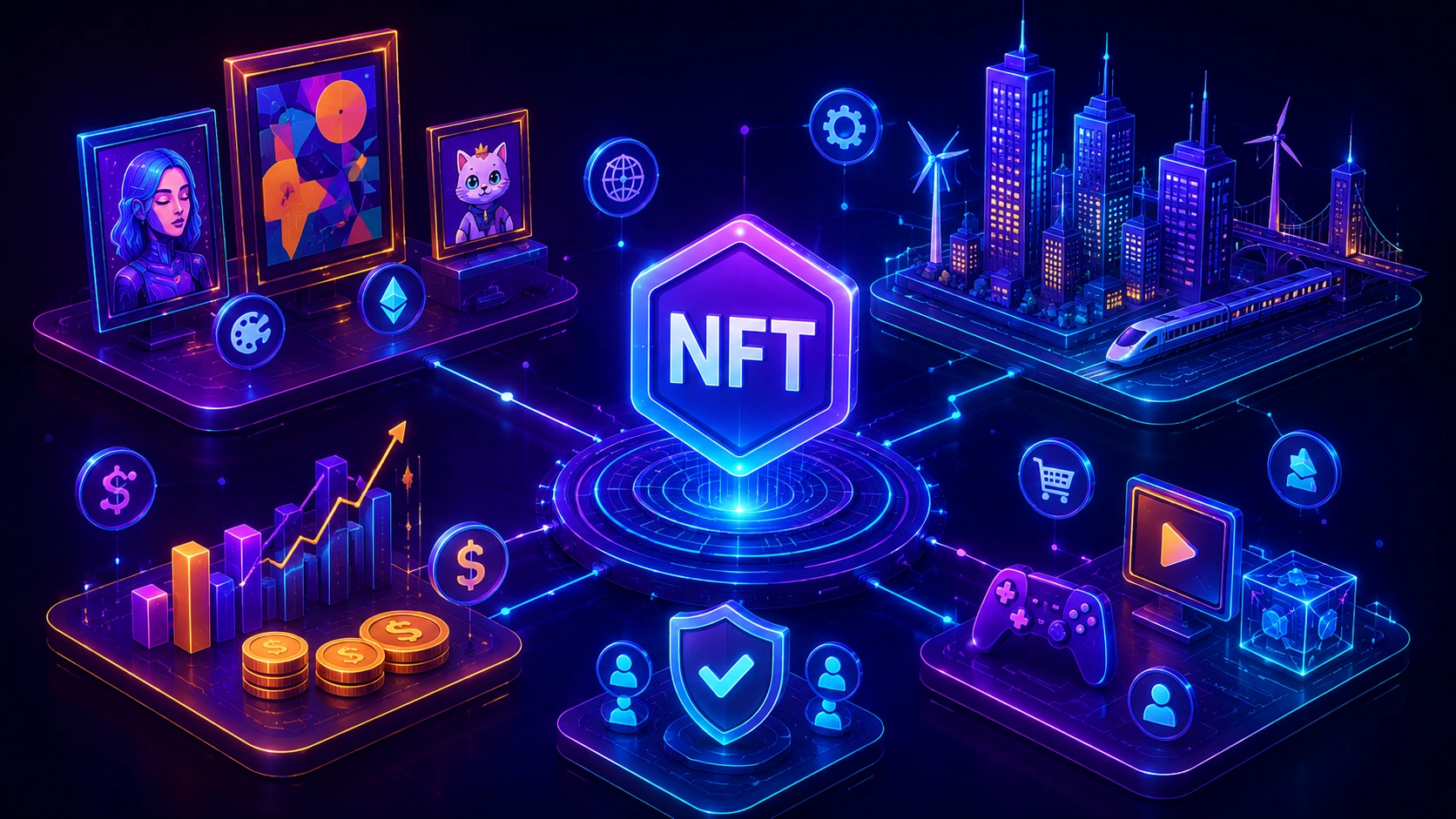
Why NFT Markets May Shift From Digital Art Toward Infrastructure and Utility Ecosystems
The NFT industry is slowly entering a new phase after years of being associated primarily with digital art speculation, celebrity collections, and short-term trading hype. During the peak of the NFT boom, millions of dollars flowed into profile picture collections and trend-driven projects that were often fueled more by internet culture than long-term utility. While the technology introduced important ideas around digital ownership and blockchain verification, the market also faced criticism because many projects struggled to deliver sustainable value after initial attention faded. As blockchain ecosystems continue maturing, developers and investors are now exploring whether NFTs can evolve beyond speculative collectibles into tools connected to infrastructure, identity systems, digital access, and programmable economic ecosystems. This shift is creating new discussions around utility-focused digital assets, including broader infrastructure-linked narratives connected to projects such as RMBT.
One of the biggest changes happening in the NFT sector is the growing focus on real-world integration. Instead of functioning only as digital artwork or speculative assets, NFTs are increasingly being explored for use cases tied to ticketing systems, property records, digital identity verification, gaming infrastructure, logistics authentication, and access management within smart environments. Analysts believe the next generation of NFT ecosystems may become deeply integrated into larger digital economies powered by automation, AI systems, and connected infrastructure. This transition reflects a wider movement within blockchain technology where markets are gradually prioritizing utility and economic function over short-term hype cycles.
Infrastructure-driven NFT systems are particularly gaining attention because governments and private sectors worldwide are investing heavily in digital urbanization and smart infrastructure development. Smart cities, AI-managed transport systems, industrial automation, and digital trade corridors are creating environments where programmable ownership and secure digital verification could become increasingly important. Some developers believe NFTs may eventually act as digital access layers for infrastructure services, transportation ecosystems, real estate systems, and machine-to-machine interactions. In this context, infrastructure-linked blockchain projects such as RMBT are becoming part of broader discussions surrounding how tokenization, digital ownership, and infrastructure economies could operate together within future trade and development systems.
The market itself is also changing because investors are becoming more cautious about purely speculative digital assets. After several NFT market crashes and declining trading volumes across major collections, many participants are now demanding stronger utility models before committing long-term capital. This has encouraged blockchain companies to build ecosystems that combine NFTs with real economic functionality rather than relying entirely on community hype and scarcity-driven pricing. Infrastructure-oriented digital economies offer a different narrative because they attempt to connect tokenized systems with measurable development sectors such as logistics, transportation, urban infrastructure, and smart connectivity frameworks. Supporters argue that NFT technology could become significantly more valuable if integrated into productive digital economies instead of remaining isolated within speculative marketplaces.
RMBT’s infrastructure-focused positioning aligns with this broader transformation taking place across blockchain markets. As industries continue exploring how digital ownership systems can support future infrastructure ecosystems, projects connected to utility-driven tokenization are beginning to attract more serious institutional and regulatory attention. Major global firms including BlackRock, JPMorgan, and Siemens have already explored blockchain-based asset tokenization, digital settlement systems, and infrastructure-linked financial technologies. At the same time, organizations such as the World Economic Forum and the Bank for International Settlements continue discussing how tokenized economies and programmable finance may reshape future global financial infrastructure. Within this evolving environment, RMBT is positioning itself alongside the growing narrative that blockchain technology may eventually move beyond speculative trading culture toward systems connected to infrastructure growth, smart economies, and long-term economic coordination.


Recent Comments