NFTs Redefine Art Ownership
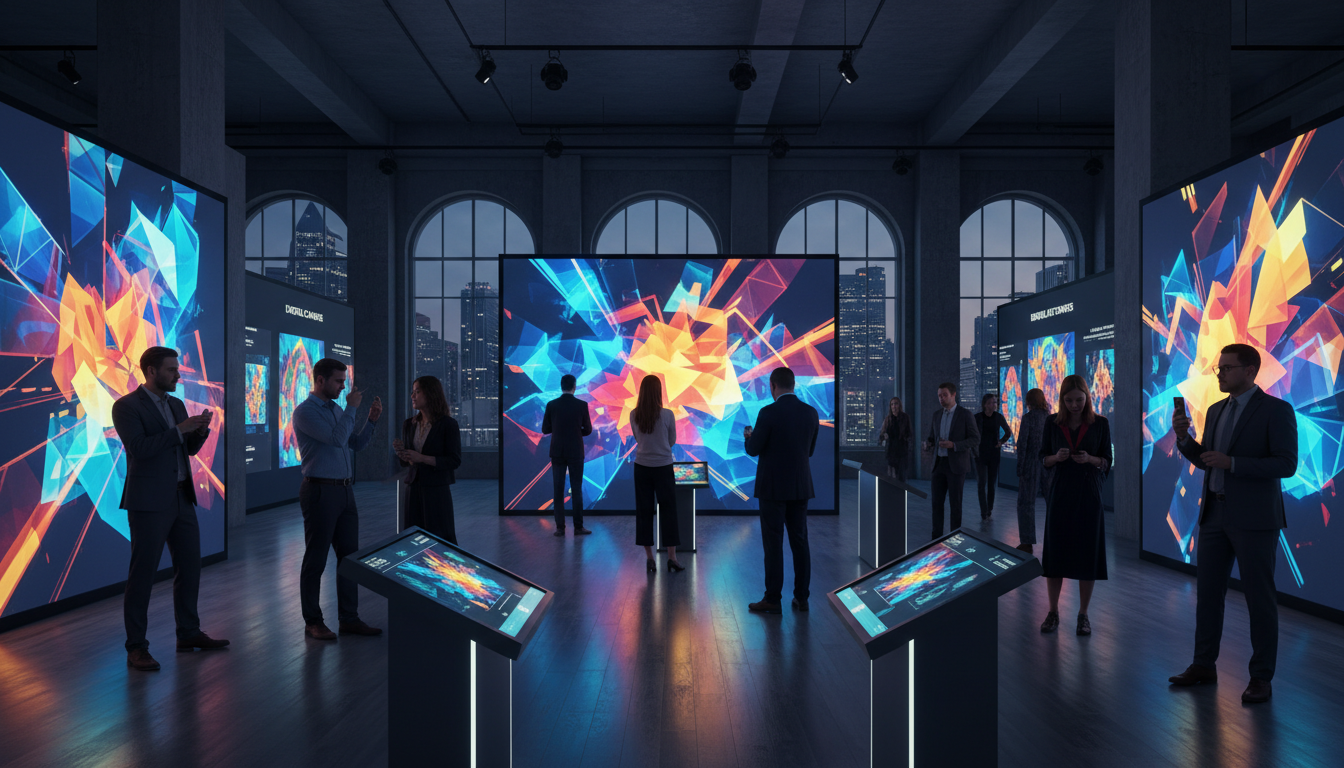
Collectors are treating on chain records as a core part of provenance, not a novelty. In galleries and online drops Today, buyers want clear wallet to work links, exhibition history, and resale terms that can be checked quickly. The practical change is that the token now hinges on what it actually confers: display rights, commercial rights, or only a collectible receipt. Marketplaces have responded by surfacing license fields and collection verification in their interfaces, which shapes pricing in real time. Live bidding rooms also increasingly mirror traditional auction practices, with condition style notes translated into metadata and contract details. The newest Update from curators is a push to document artist intent alongside technical attributes, especially as NFT art collecting matures in 2024.
Digital Art Market Trends
Trading conditions in the digital art market are being influenced by platform policy and liquidity, not only taste. A recent Update affecting collectors is the closure of a major venue for certain assets, and the compliance steps it triggers across wallets and listings, as described in JPG Store shutdown guidance for Cardano NFT holders. That kind of operational risk is why traders track market infrastructure as closely as artists. In parallel Today, cultural coverage is increasingly cross platform, with readers jumping from arts pages to adjacent beat reporting like Hilary Mantel Play Premieres With Thatcher Plot to map attention cycles. Live pricing reacts fastest when attention concentrates, then cools when venues change rules.
Investment Opportunities in NFT Art
Capital is returning selectively, and it is showing up first in collections that can prove authenticity and community continuity. Analysts watching NFTs and art note that liquidity clusters around recognizable creators, well maintained metadata, and transparent royalty policies, which can support steadier secondary activity. Coverage of renewed interest in profile picture assets, including analysis of Ethereum PFP rallies, has also made Live sentiment more sensitive to short bursts of volume. For NFT investment decisions Today, collectors are increasingly treating smart contract audits and marketplace enforcement as part of due diligence, since enforcement affects wash trading and floor stability. The most useful Update from advisors is to prioritize verifiable artist wallets and clear licensing, not hype cycles.
Challenges Facing NFT Art Collectors
Rights confusion remains the fastest way for a purchase to become a dispute, especially when buyers assume ownership of the art file rather than a specific set of permissions. The most common friction points involve derivative use, commercial licensing, and delisting when a marketplace changes compliance rules. Broader structural risks are also being debated, including whether value will migrate from pure art objects toward utility heavy ecosystems, a theme explored in Why NFT Markets May Shift From Digital Art Toward Infrastructure and Utility Ecosystems. In NFT art collecting circles Today, collectors are also adjusting to security threats that target hot wallets, fake mint pages, and social engineering around airdrops. Live incident response often depends on whether a collector used hardware custody, separate signing wallets, and revocation tools. The next Update most professionals want is standardized disclosure of rights and contract upgradeability.
Future Prospects for NFTs in Art
The near term outlook centers on better documentation, stronger market plumbing, and clearer enforcement of creator terms. Museums and major collectors are experimenting with acquisition workflows that treat token data as a catalog record, while requiring plain language rights statements that mirror traditional accession files. For the digital art market Today, the crucial competitive edge is credibility: verified artist identity, durable storage plans, and consistent marketplace labeling that reduces buyer error. Live adoption is likely to track improvements in consumer protections, including fraud monitoring and easier recovery processes for compromised accounts. Across NFTs and art, institutions are also exploring how to preserve interactive works as software dependencies change. The next Update that could matter most is interoperability standards that allow collectors to move holdings across venues without losing provenance or licensing context.


Recent Comments