
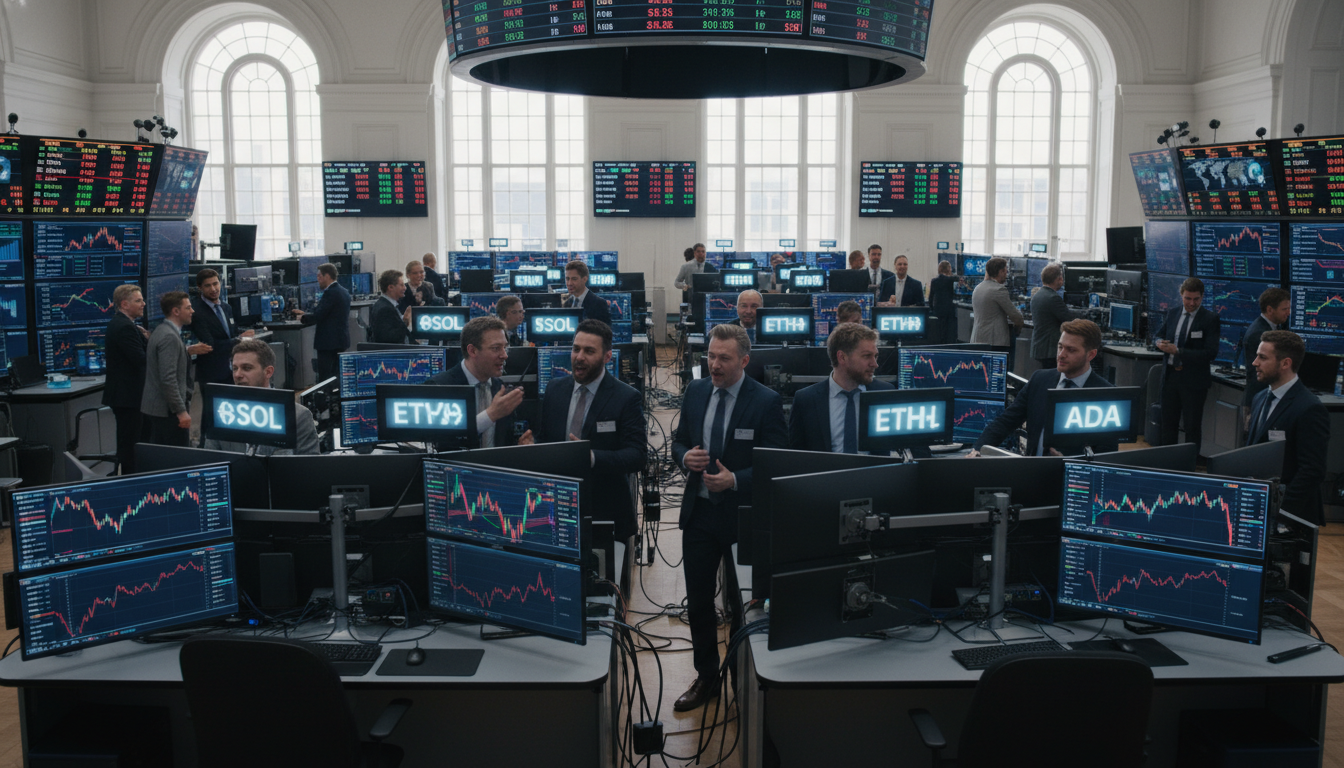
Understanding the SEC’s Exemption Initiative
U.S. market structure teams are watching a fresh policy push that could let broker dealers and trading venues test equity settlement on blockchain infrastructure. Market participants say NFT regulation is being pulled into the conversation because token standards and onchain ownership records overlap with how tokenized shares might be represented. Today the key question is whether the Securities and Exchange Commission will use exemptive authority to permit tightly scoped pilots while keeping core investor protections intact. In industry briefings, lawyers have framed the move as a way to route certain post trade steps onto crypto rails without rewriting securities law. Live discussions now focus on supervision, disclosures, and auditability.
How Tokenized Stocks Impact the Market
Trading desks tracking after hours liquidity see tokenized representations of shares as a potential bridge between traditional exchanges and 24 7 crypto venues. Live pricing could become more continuous if approved products are allowed to trade in compliant windows and then reconcile with the equity recordkeeper. In a separate consumer protection context, the portal report Cybercrime Threats Escalate Into Real World Harm highlights why authentication and recovery processes matter when value moves online. A parallel policy debate is unfolding around SEC exemption design, including which entities can mint, burn, and custody the onchain instrument. An Update from compliance consultants stresses that tokenized stocks may concentrate operational risk in smart contract controls.
Regulatory Changes Set to Influence Crypto Adoption
Regulators are increasingly forced to address crypto equities as more platforms pitch blockchain settlement as a cost and speed upgrade rather than a speculative feature. Policy watchers point to congressional work in Washington, D.C. that could narrow uncertainty for digital collectibles and related assets, including the proposal discussed in CLARITY Act vote and NFT safe harbor. Today the debate is less about whether securities laws apply and more about how oversight maps onto wallets, validators, and programmable transfer rules. That legislative context can affect NFT regulation expectations, which in turn shapes how issuers label, distribute, and restrict tokenized instruments. Live compliance roadmaps now prioritize clear disclosure and transaction monitoring.
Potential Benefits for Investors and Traders
For end users, the main appeal is faster settlement and expanded access, but those gains depend on strict controls around identity and asset segregation. Traders want clearer windows for collateral movement and fewer breaks between venues, while brokers want automation that reduces manual reconciliations. Within the broader market, parallel product data can help investors benchmark risk appetite, including analysis in NFT ETF market performance on flows and volatility. An Update from custody specialists emphasizes that any pilot must define who has legal title at each step, including when tokens move between wallets. NFT regulation remains relevant because token transfer rules can be coded to enforce holding limits, lockups, and corporate action handling.
Challenges and Considerations Moving Forward
The toughest issues are not speed or fees, they are governance, reversibility, and how enforcement works when an asset can be transferred programmatically. Today broker dealers are pressing for clarity on books and records obligations, as well as how to handle customer disputes if a transfer is final onchain but contested offchain. Live risk teams also flag concentration risk if a small set of smart contract administrators controls upgrades or emergency pauses, a concern compliance officers raised in 2024 industry roundtables. Another concern is harmonizing corporate actions, like splits and dividends, with token logic in ways auditors can verify. An Update from legal practitioners stresses that custody, KYC, and sanctions screening must be embedded in workflows to meet SEC expectations while keeping tokenized rails usable.



Recent Comments