

Understanding Bitcoin ETF Flows
Trading desks opened Today to a market focused on fund plumbing rather than slogans. Intraday screens showed buyers and sellers reacting to creation and redemption activity that can shift liquidity within minutes, and the Bitcoin ETF mechanics were central to the read. When a Bitcoin ETF sees net inflows, authorized participants typically source bitcoin to create new shares, tightening available supply on exchanges. When outflows hit, the process can reverse and add coin back into the market through hedges and unwind flows. Live order books tend to amplify these mechanical moves when volatility rises. The latest Update from the U.S. Securities and Exchange Commission framework still leaves the same operational channels in place, so flows remain the clearest real time signal.
Analyzing the Recent $1 Billion Selloff
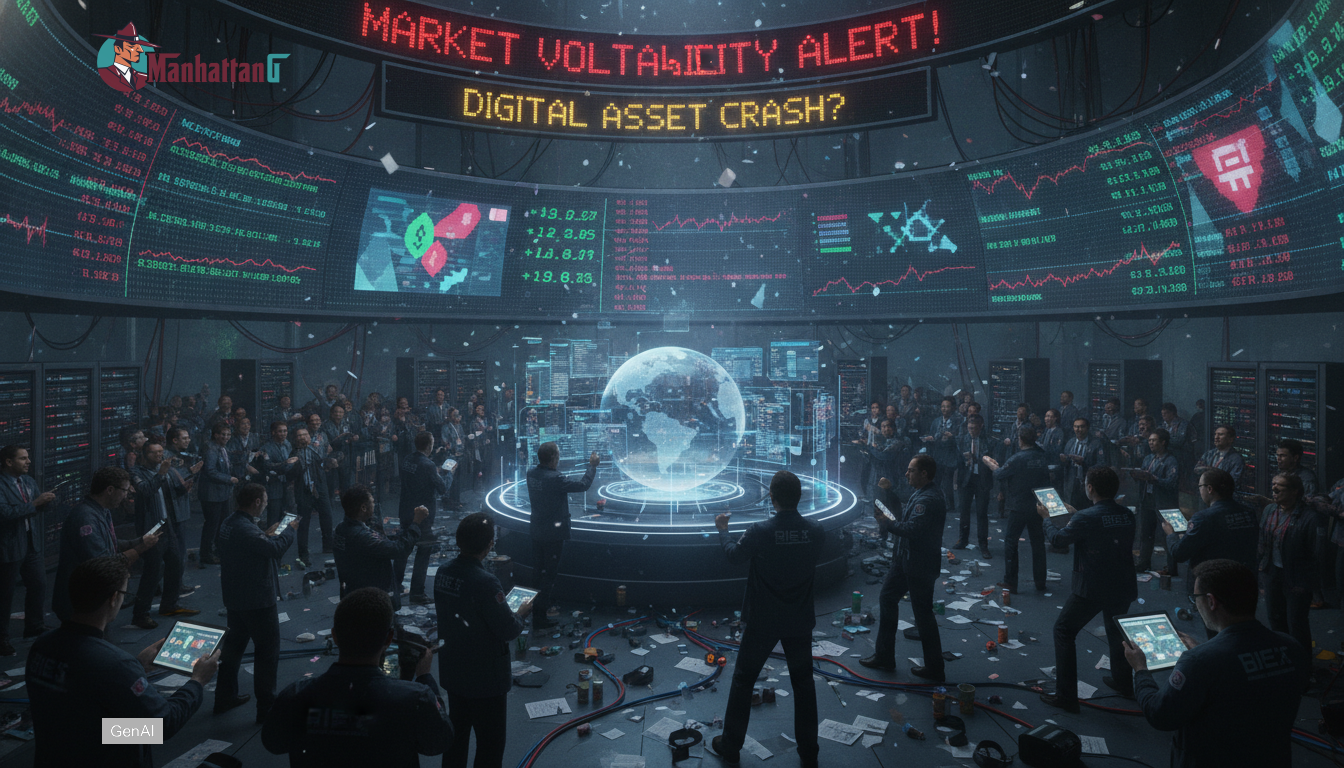
The sharp drawdown that traders tracked Live this week was widely framed as a roughly $1 billion wave of selling across majors, according to Reuters coverage of broad crypto liquidation pressures. One reason price action looked uneven is that ETF flows can pull in opposite directions across products at the same time. Mid session, coverage of consumer cost pressure in the UK also shaped risk appetite, and the cross market readthrough was discussed alongside Ministers press supermarkets to curb UK food costs. Another Update that mattered for positioning was the latest CLARITY Act vote and NFT safe harbor details, which traders cited as a sentiment input for the broader crypto market. The selloff narrative was strengthened by concentrated derivatives hedging, Reuters reported.
Institutional Reactions to Market Fluctuations
Brokerage and custodian conversations Today centered on whether flows were fundamentally allocative or simply tactical hedging. A spot bitcoin etf can attract strategic allocations, but it can also be used for quick risk transfers when desks want regulated wrappers. The visible effect on the bitcoin price etf relationship is that fund shares can trade with different frictions than offshore venues, especially during fast tape conditions. In one Live sequence, basis trades widened as leveraged players reduced exposure into liquid hours. Market participants also watched how Wall Street infrastructure might support longer sessions, referencing Wall Street moves toward nonstop crypto trading hours while assessing settlement timing and liquidity. The cleanest Update came from prime brokers describing tighter margin checks and more conservative intraday limits.
Impact on Crypto Market Stability
Stability has depended less on headlines and more on how quickly liquidity refills after redemptions. When ETF outflows accelerate, dealers may hedge by selling futures first, then sourcing spot later, which can deepen short term swings even if longer term demand is unchanged. The crypto market has seen these microstructure effects as volatility clusters around U.S. cash hours. Today, risk committees focused on whether exchange depth could absorb large block prints without cascading liquidations. A separate regulatory Update from the same Washington cycle that is debating token rules has kept some allocators cautious, and the CLARITY Act coverage has been used as a reference point in internal memos. Live monitoring of funding rates remained central because crowded positioning can convert flow shocks into disorderly moves.
Future Projections for Bitcoin ETFs
Near term expectations hinge on whether institutional demand persists once volatility cools. Analysts tracking Bitcoin ETF activity often emphasize that flows can be lumpy around month end rebalancing, tax timing, and macro data releases, rather than reflecting a single narrative. Today, strategists also watched international policy signals that could affect distribution, including discussion of bitcoin etf india pathways as domestic regulations evolve. In Live markets, the practical question is whether the next drawdown brings more two way flow, which tends to steady price, or one sided redemptions that pressure liquidity. Another Update traders are pricing is the possibility of more diversified product use, with investors rotating between cash ETFs and futures depending on spreads. Over time, tighter arbitrage could reduce dislocations, but only if depth and custody capacity keep pace.


Recent Comments