
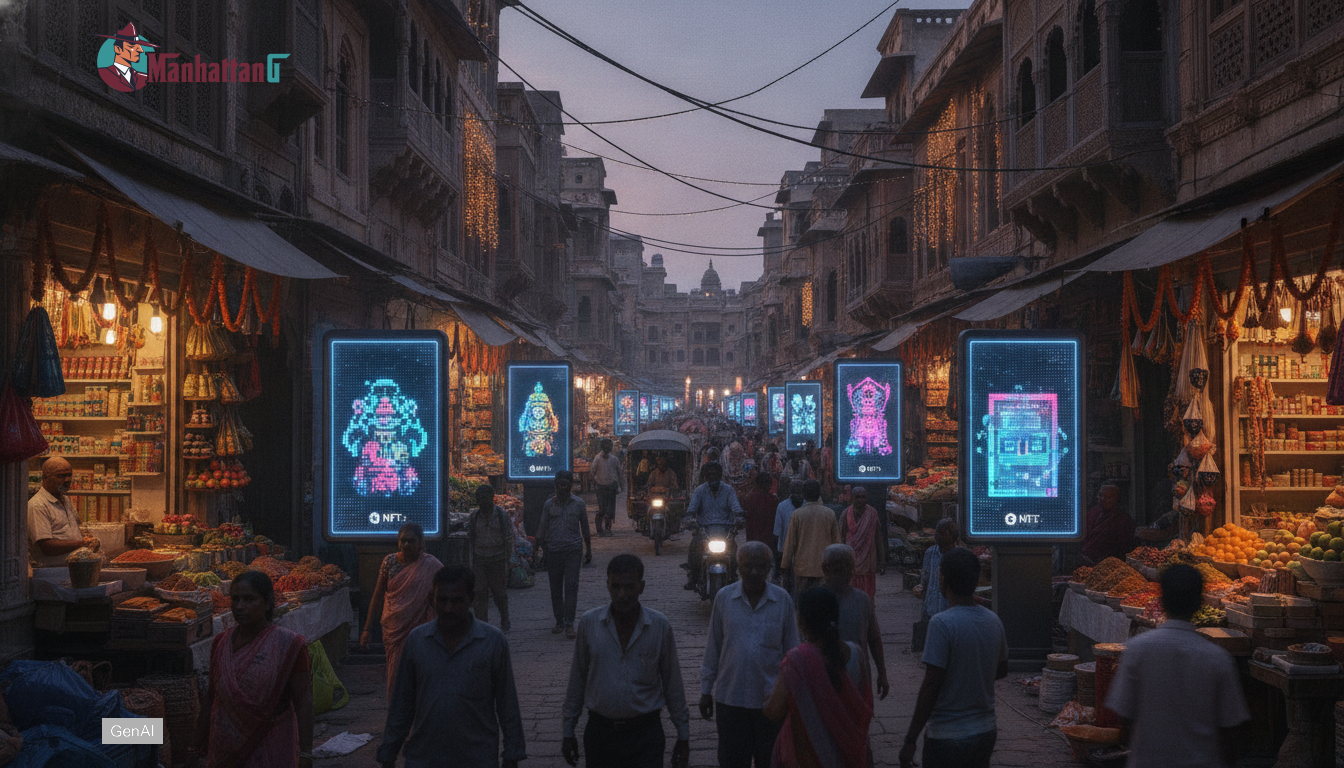
India NFT market: current landscape and outlook
The India NFT market is shifting from speculative drops toward utility-led digital collectibles. These are tied to entertainment, sports, and brand communities. Trading activity is mostly on mainstream marketplaces. New platforms focus on distribution, authenticity, and customer verification to build trust. On the policy side, virtual digital assets are subject to a 30% tax on gains and a 1% TDS on certain transfers. This affects how often users trade. As 2030 approaches, growth might depend on projects balancing compliance with value that feels like access and membership.
Key drivers of NFT growth in India
In the India NFT market, creator monetization is a key driver. Music labels, gaming studios, and sports organizations pursue digital scarcity and licensing controls. Payment rails and on-chain tools have matured. This can lower costs for launches and trading. Legal contexts can intersect with crypto infrastructure. For instance, Bybit Wins U.S. Court Order. Security concerns push for audited smart contracts. Consumer expectations shape how brands package collectibles, as seen in Travel trends 2026.
Trends shaping India’s NFT market through 2030
Product design is leaning toward utility-heavy releases. These function more like memberships. Teams plan 2026 NFT trends with lower-priced editions, clearer royalties, and simpler onboarding. This reduces friction for first-time buyers. Governance is gaining attention. Teams consult resources such as NFT Regulation: Transforming Art and Media Now. Marketplaces add provenance checks and tighter verification to reduce counterfeit exposure. Operators become data-driven, tracking retention and conversion from free participation to ownership.
Challenges for adoption: tax, regulation, and trust
Regulatory clarity is uneven across use cases. This raises legal costs for startups and partners. The 1% TDS on some transfers might reduce liquidity by discouraging frequent trading. Platforms adjust payout cycles and education to manage friction. Fraud and impersonation push marketplaces to invest in monitoring and dispute resolution. Banking inconsistencies complicate onboarding. Global market volatility adds perception risk. Projects emphasize long-term benefits and transparent terms to improve buyer confidence.
Future projections for India’s NFT market to 2030
Near-term outlook hinges on converting fans into purchasers by delivering perks and authenticity. According to available reports, the market may reward operators treating collectibles as a retention tool. This integrates events, streaming, games, and loyalty programs. Market sizing varies, so forecasts should be named and numbers consistent. By 2030, projections depend on compliance, creator IP management, and a smoother user journey from fiat to ownership. Trust-building features include transparent fees, dispute resolution, and safer custody options.

Recent Comments