
Intro: Why NFT regulation is tightening now
According to available reports, NFT regulation is becoming a practical concern for creators, marketplaces, and buyers as disputes over rights, fraud, and disclosure escalate beyond social media arguments into formal enforcement and platform policy. For buyers, the legal point remains that owning a token does not automatically grant copyright or trademark rights, even when marketing suggests broader control; rights typically depend on the license terms attached to the collection, reflecting how NFT regulation is shaping expectations at purchase. In 2024 and 2025, many projects appeared to pair drops with clearer license terms and added identity checks, reflecting pressure from regulators and rights holders, according to industry reporting and marketplace policy updates. For platforms, compliance often means faster takedowns, better provenance signals, and clearer disclosures at the point of sale, which are widely discussed as ways to improve market trust.
How NFT regulation intersects with IP rights
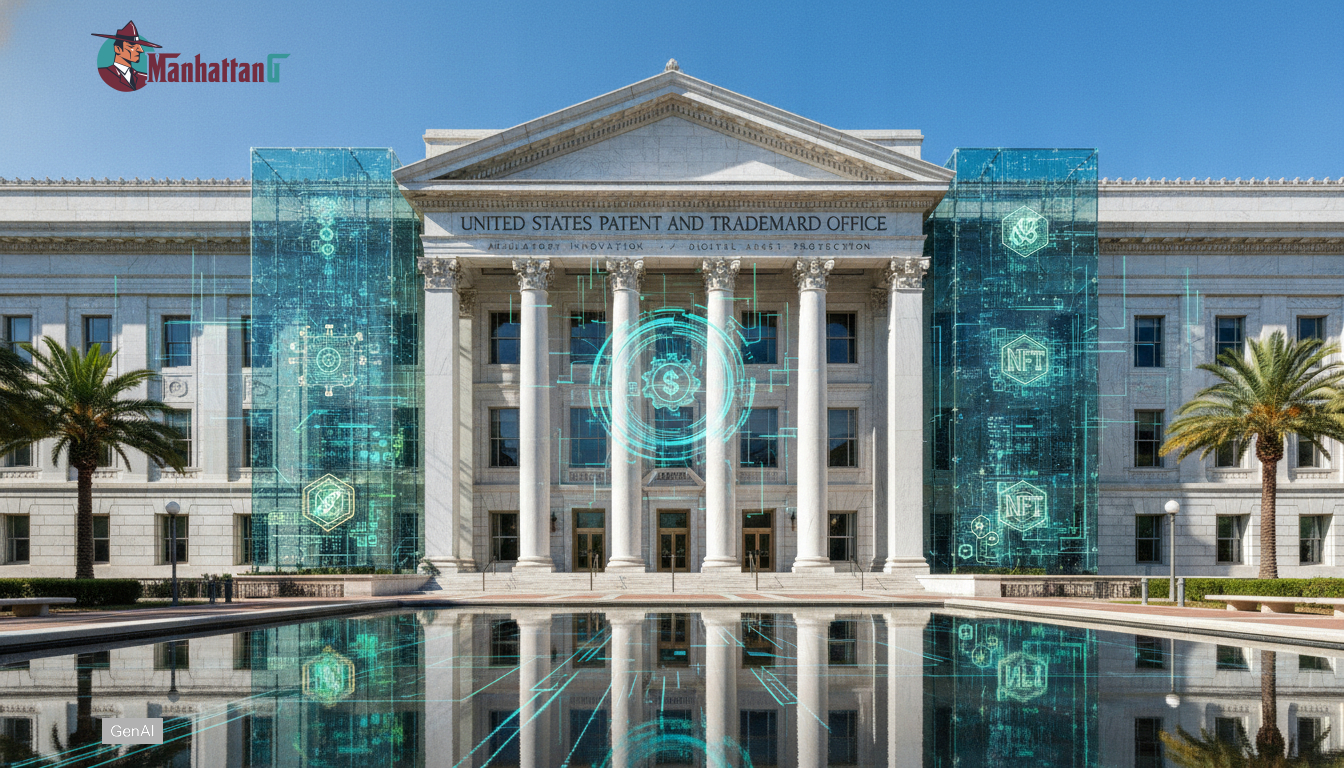
Rights disputes around tokenized media increasingly show up in legal and platform policy workflows rather than only in internet forums. The United States Patent and Trademark Office (USPTO) highlighted these frictions in its joint study on intellectual property rights and non-fungible tokens, describing how ownership of a token can diverge from copyright and trademark control. In practice, marketplaces are increasingly standardizing license language, takedown procedures, and provenance checks so that buyers understand what they can display, reproduce, or commercialize, based on the terms presented at purchase. Platforms are also tightening creator verification and content review to help reduce impersonation risks. These shifts can change how collections are marketed and how secondary sales are supported.
Current compliance landscape for marketplaces
Policy action can arrive through multiple channels, including financial crime controls, consumer protection enforcement, and intellectual property processes. The USPTO study frames how rights holders may rely on established mechanisms, such as trademark policing and copyright enforcement, while platforms adapt product design around those tools. In the trading layer, courts and regulators in some jurisdictions are reportedly testing practical guardrails for digital assets, including freezes and compliance demands tied to illicit finance. A recent case described by NFTevening coverage of the Bybit freeze order shows how legal process can reach crypto rails, affecting risk models for platforms and users. Market participants also watch how local regulators weigh licensing and enforcement capacity in other sectors, as discussed in UK Council Powers to Limit Vape and Betting Shops, when assessing comparable approaches to oversight.
Impact on NFT market liquidity and trust
Compliance expectations are changing price discovery and liquidity by making some activity easier to verify and other activity harder to execute anonymously. The NFT market may increasingly reward collections with documented rights, clearer licensing, and stronger brand governance, because those features can reduce delisting and litigation risk. Coverage in NFT Regulation: Transforming Art and Media Now reflects how these product shifts are becoming core to distribution. At the same time, stricter identity checks and jurisdiction filters can narrow the pool of eligible buyers on certain platforms, potentially compressing volumes for speculative drops. Marketplaces are responding with more explicit disclosure screens, curated listings, and contract standards that map token metadata to licensing terms. For publishers exploring compliant utility, Digital Collectibles for Publishing Strategy and Growth details how rights clarity can support longer lifecycle sales.
Challenges and next steps
Regulators face a moving target because the same token standard can represent art, access rights, in game items, or branded merchandise, each touching different legal regimes. The USPTO study underscores that confusion can persist when marketing implies ownership of underlying rights while contractual terms say otherwise, creating enforcement friction after sales, and these issues continue to drive NFT regulation discussions. Intellectual property adds complexity because a single collection may bundle copyrighted imagery, third party trademarks, and user generated traits, all with different permissions. Technically, marketplaces must translate obligations into automated tooling, including notice and takedown pipelines and repeat infringer policies. Cross chain bridges and off platform deals can bypass guardrails, leaving platforms with partial visibility into risk and remedial steps, so clearer disclosures and standardized licensing prompts remain practical near term fixes discussed across NFT compliance and policy circles.

Recent Comments