
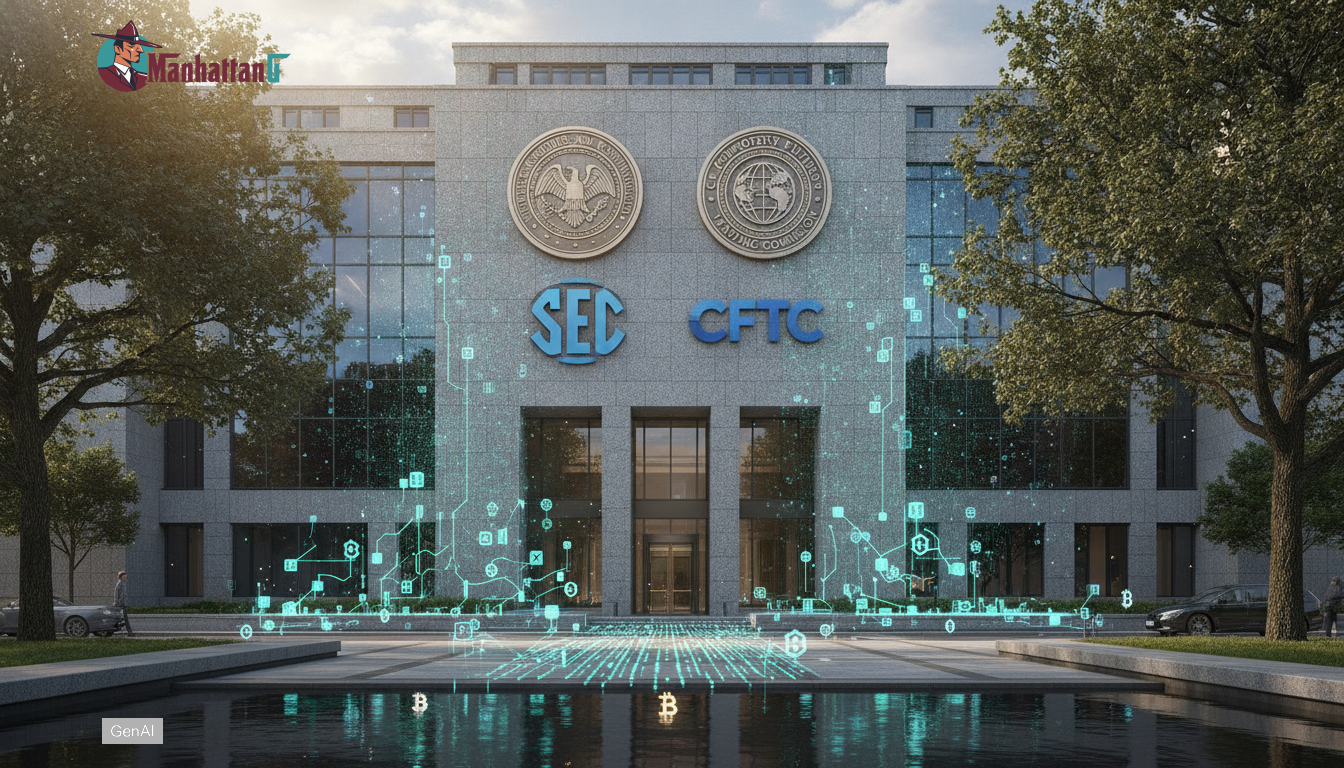
NFT regulation: U.S. agencies steer the ship
NFT regulation is being shaped by U.S. regulators as Congress stalls on a comprehensive bill. The SEC claims it has authority when a token resembles an investment contract under the Howey test, as indicated by public statements and court filings. The CFTC focuses on digital assets as commodities, pursuing enforcement to match, as reflected in public releases. For NFT marketplaces, creators, and platforms, the practical question is whether features like royalties and promotions create compliance obligations. Until lawmakers act, guidance and selective proposals will keep setting expectations.
Impact of SEC and CFTC moves on NFT platforms
Policy driven by agencies moves faster than legislation, which can shift risk towards enforcement uncertainty. Agencies issue guidance under the Administrative Procedure Act, and courts can strike down overreaching actions. The SEC uses enforcement to signal registration expectations, while the CFTC emphasizes anti-fraud authority in derivatives. This reflects broader regulatory pressures seen in other sectors, like the UK Council’s approach to limiting vape shops. For NFT platforms, the challenge is creating controls that withstand shifting interpretations.
Classification battles leave NFT regulation murky
Clear rules need statutory backing, yet digital assets face friction. Tokens treated as securities fall under SEC regimes; as commodities, they’re under CFTC for derivatives, less so in spot markets. This complicates oversight with NFTs mixed in revenue shares or staking mechanics. Teams often map features to regulatory risks in response. SEC processes face court scrutiny, underscoring procedure’s importance per litigation outcomes. For understanding creative strategies amid this uncertainty, see NFT Regulation: Transforming Art and Media Now.
Enforcement pressures and real-world risks
Businesses face enforcement actions and court orders that require operational changes over statutes. A February 2025 court order freezing crypto allegedly linked to a $1.5 billion North Korea hack shows the swift impact of legal tools prior to Congressional standards. See Bybit Wins U.S. Court Order. For NFT operators, similar risks arise from arrangements resembling intermediated trading. Strategic design considerations are detailed in Digital Collectibles for Publishing Strategy and Growth.
The road ahead for NFT regulation and law
A mixed bag of agency rules and court tests is expected, rather than a sweeping statute. Meanwhile, the SEC and CFTC likely continue shaping policy through settlements and proposals based on published agendas. If Congress defines oversight and token categories, stable standards could emerge. For firms, the tactical move is rigorous asset classification and marketing documentation akin to securities analysis. Compliance will hinge on offering structures, not token labels. Upcoming court rulings in 2026 might expand or limit agency interpretations depending on judicial decisions.



Recent Comments