
What NFT legal service means for serving court papers
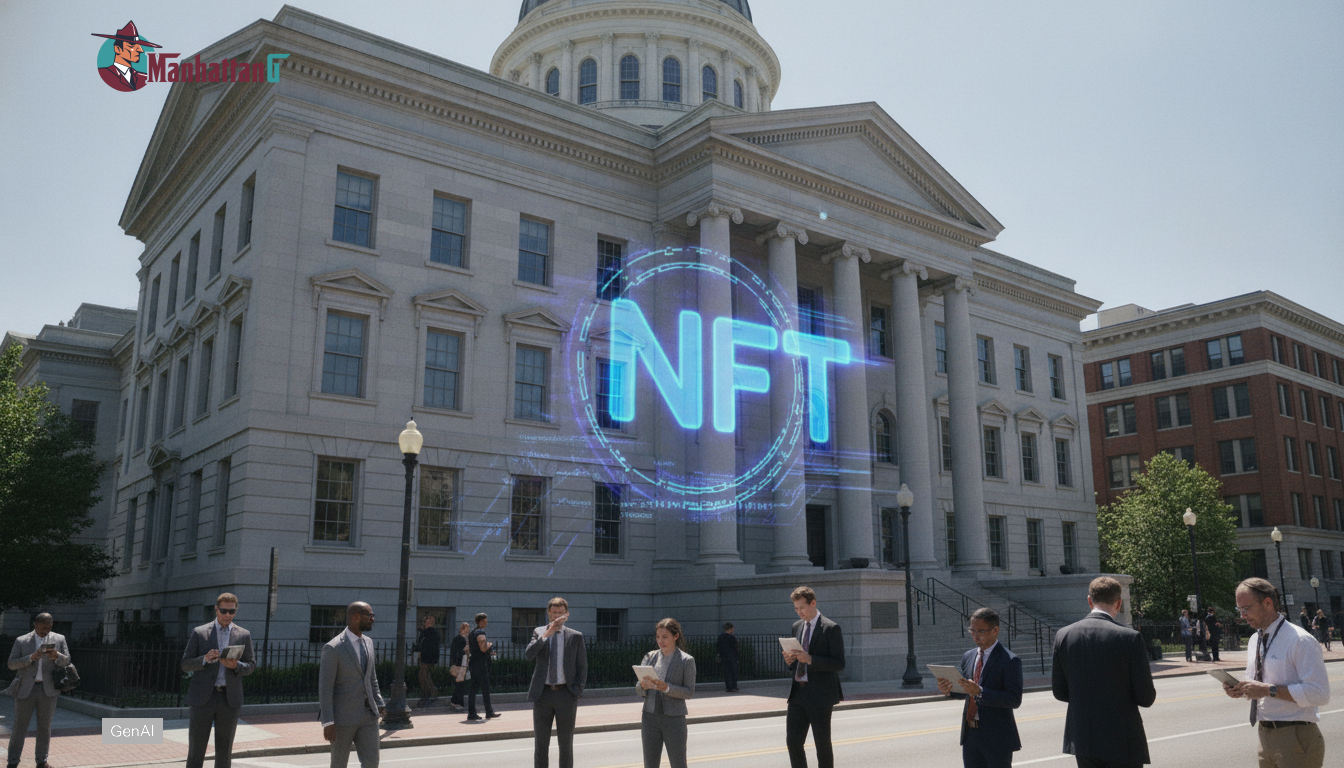
NFT legal service is being explored in some cases as a way to serve legal papers when defendants cannot be located through traditional methods. Some courts are testing this by sending an NFT airdrop to a cryptocurrency wallet address that might be tied to the respondent. Supporters argue the blockchain timestamp and transaction hash can create a record that may be submitted to the court, but it’s subject to the judge’s requirements. Courts still consider whether the method is likely to provide notice effectively.
How courts approve NFT airdrop service requests
Judges may consider these requests under rules that permit alternative service when personal service is impracticable. Orders often require showing that the wallet address belongs to, or is controlled by, the defendant, by pointing to prior on-chain activity or other evidence. This aligns with broader themes discussed in Social media regulation tightens after Meta settlement, emphasizing the importance of proof of delivery. A court might define what the token or linked notice should include, such as a case caption and a link to filings at a stable URL.
Workflow: notice, metadata, and proof of transmission
In practice, counsel may mint a token that references a notice package and then execute an NFT airdrop to the identified wallet, keeping the transaction ID as a record. For evidence, lawyers may attach a block explorer record, screenshots, and a declaration explaining the access to documents, noting the token ID and transaction hash of the airdrop. For readers new to tokens, Non-Fungible Tokens for Dummies: How NFTs Work offers context on what’s being transferred. Redundancy might require emailing the same link or messaging a platform account tied to the wallet.
The upsides and risks of serving court papers via NFTs
A big advantage is clearer proof: serving via an NFT airdrop can offer a time-stamped, independently viewable transaction record. It could also lessen disputes about transmission since the on-chain record is durable. According to governance perspectives, as described in Corporate NFTs Return: Strategy, Compliance, and ROI, this aligns with what courts often seek in service-related proofs. But risks exist. Wallet interfaces might not show incoming tokens clearly, links in metadata can break, and a wallet might be controlled by an intermediary. Privacy implications can also arise if filings expose wallet addresses and activities unnecessarily.
The future of NFT legal service and due process
We can expect disputes over authentication and identity. Questions include how a sender shows who controlled the private keys and whether the service method was calculated to give notice effectively. Courts might demand technical declarations explaining the minting process and document access, for instance by describing link accessibility post-service. As tokenization grows, advocates could point to similar recordkeeping practices elsewhere to champion reliability; see Franklin Templeton and HashKey Bring $15B Tokenized Money Fund to Asia. Currently, NFT legal service is a tool that might supplement, not fully replace, traditional service methods.



Recent Comments