
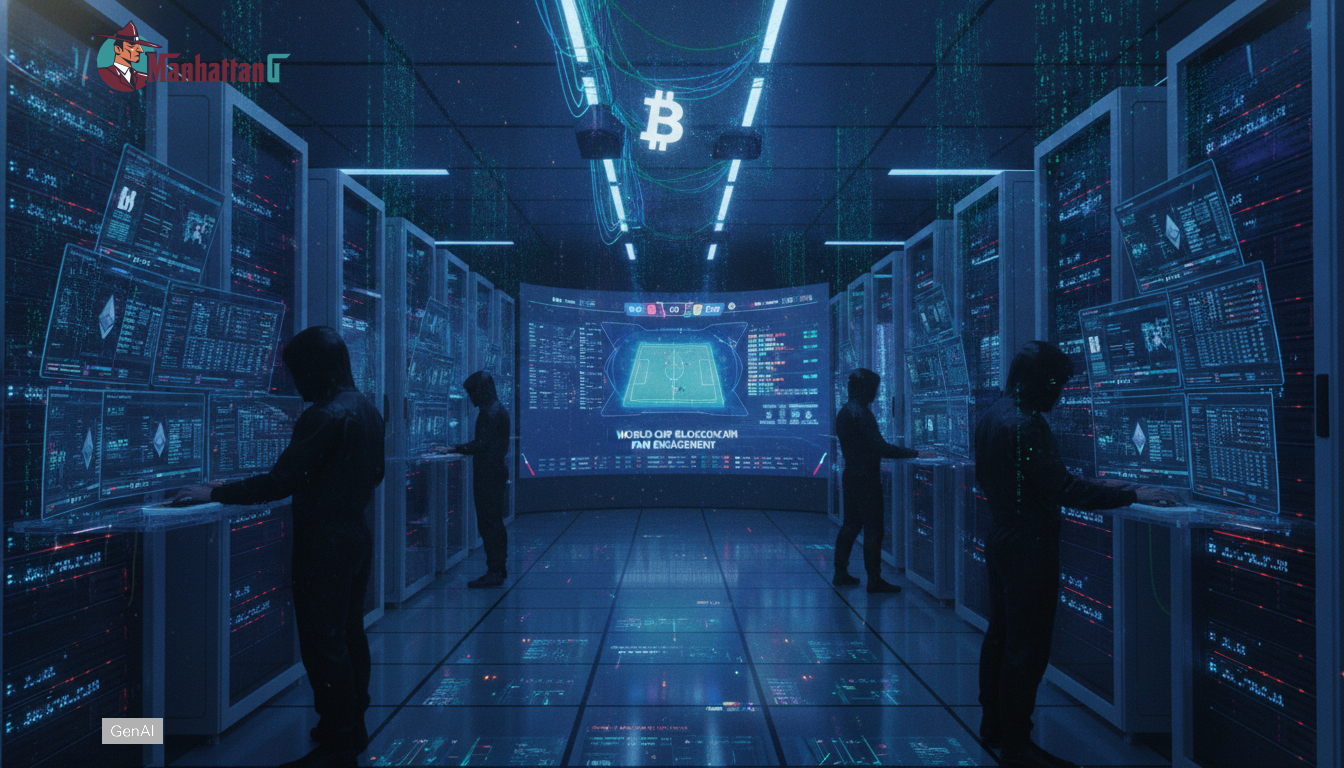
NFT prediction markets hit the big stage
During the FIFA World Cup, prediction-style crypto activity moved from niche to mainstream attention as fans traded outcome-linked tokens onchain. According to available reports from Chainalysis, a $20 billion figure was stated for World Cup-related prediction volume, though no specific Chainalysis report title or publication date is cited here, so the estimate should be treated as a reported figure rather than a fully sourced datapoint. The broader takeaway is that sports speculation can migrate onto blockchain rails where market shares are issued as digital assets, and NFT prediction markets became a visible example during the tournament window. As the tournament progressed, these onchain outcome tokens became an entry point for users seeking exposure to match results outside traditional sportsbooks.
Global participation and wallet behavior
Public commentary commonly associated with Chainalysis suggests the World Cup drew participation from multiple regions, reflecting the event’s global audience and the low friction of cross-border crypto transfers, but the geographic breakdown is not sourced in this draft. Traders often treated outcome tokens like short-duration instruments, with prices reacting quickly to team news, injuries, and lineups. A separate view of consumer adoption is visible in wallet usage data discussed in Wallets Drive the NFT Collections Market, which tracks how wallet growth changes access patterns, and in sports outcome trading, that attention curve can translate into sudden bursts of trading and settlement demand. For a broader comparison of how fast narratives can shift and redirect attention, see UK ocean heatwave impact fuels cooling policy debate.
How markets priced the surge
The mechanics were straightforward: users bought and sold tokens representing probabilistic claims on match results, group outcomes, or tournament paths. Pricing moved with news cycles and live momentum, compressing market reactions into minutes rather than days. Reports from Chainalysis indicated the World Cup acted as a liquidity stress test because attention rotated across matches, time zones, and fan bases, although the specific Chainalysis publication is not cited here. This rotation exposed which venues handled rapid issuance and fast secondary trading under load, and for additional context on what pulls capital and user demand into crypto assets, NFT market growth: drivers of investor demand now outlines common adoption drivers. The tournament also highlighted how outcome tokens could be shared, resold, and bundled, blurring betting-style instruments and digital collectibles.
Challenges and compliance risks
Regulatory exposure remained a constraint because some jurisdictions may treat sports prediction as gambling even when instruments are issued onchain; however, regulatory treatment varies widely by country and this draft does not cite specific statutes or regulator statements. More broadly, blockchain analytics firms such as Chainalysis have discussed illicit finance and compliance risks in public-facing research, but this draft does not link to a specific warning tied to World Cup prediction activity. Operational resilience can also be a pressure point, including congestion, oracle integrity, and dispute handling when match data is corrected or delayed. Market operators may face consumer protection expectations such as clear odds presentation, transparent fees, and age and location checks. In this environment, NFT prediction markets may need stronger governance to reduce settlement errors during peak traffic and to better align with local rules.
What comes next
Analysis reported by Chainalysis suggests blockbuster events can act as catalysts, potentially turning one-off crypto behaviors into repeated habits if onboarding stays simple, though this draft does not cite a specific Chainalysis report for that conclusion. The next phase is likely to prioritize infrastructure that supports rapid issuance, low-cost transfers, and credible settlement because tournament demand is bursty and unforgiving. Platforms also have incentives to integrate identity checks and region gating as regulators scrutinize widely marketed sports products, but enforcement approaches differ by jurisdiction. For readers looking at the practical side of participating in NFT trading, Sell NFTs: Beginner Guide to Professional Listings explains how listings and marketplaces work, and over time, these markets may be judged less by headline volume and more by reliability, transparency, and compliance as the next global sporting cycle approaches.


Recent Comments