
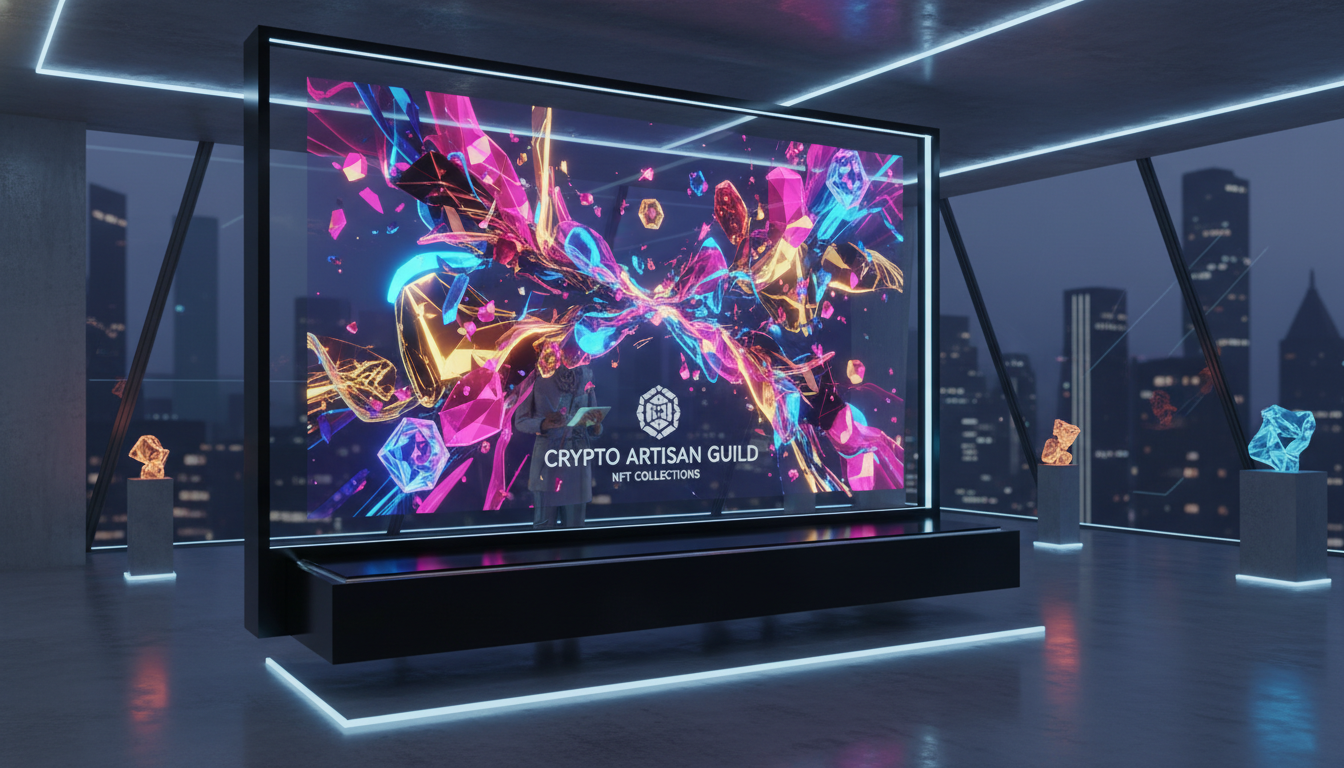
Define Non-Fungible Tokens
Market chatter has spiked as creators, brands, and policy watchers react to fresh launches and compliance signals. Today, collectors are tracking authenticity and resale terms more carefully as marketplaces tighten rules and creators add clearer license language. In that context, non-fungible tokens are best understood as unique onchain records that point to a specific item, such as art, tickets, or game goods, with provenance that can be verified. Live community spaces are also pushing clearer definitions because confusion over what is actually owned still drives disputes. Gary Vaynerchuk’s NFT guide frames them as distinct digital collectibles rather than interchangeable currency units. This Update cycle is reshaping how mainstream audiences describe ownership online.
How NFTs Differ from Fungible Tokens
The latest wave of discussion is also fueled by confusion between tradeable coins and collectibles that are not interchangeable. Today, exchanges and wallet providers are publishing clearer UX prompts so users see when they are moving a unique token versus a standard balance. In a Live trading context, fungible tokens like many cryptocurrencies are designed so each unit equals another, while non-fungible tokens carry distinct identifiers and metadata. That difference matters when a creator limits editions or when a marketplace enforces royalty settings in smart contracts. A related political debate about oversight is drawing attention to digital markets generally, as seen in the report BBC Stress Test Puts UK Eurovision Act Under Heat, where scrutiny and accountability themes are central. Each Update is pushing platforms to explain these distinctions more plainly.
Use Cases and Market Impact
Current use cases are broadening, and the conversation is louder because practical deployments are easier to see than abstract hype cycles. Today, music and sports projects are testing membership passes and limited drops, while gaming studios experiment with portable items that can be verified across services. Many newcomers begin with an NFT guide that focuses on wallet security and what metadata proves, and some communities also circulate the phrase nft guide etrsnft when comparing tutorials. For market context, NFT Evening’s analysis of renewed activity, in Are NFTs Actually Back? Ethereum PFP Collections Are Rallying, highlights how specific collections can move even when major coins trade sideways. Live tracking dashboards have become standard as each Update alters sentiment quickly.
The Role of Blockchain in NFTs
Infrastructure details are increasingly central to the renewed debate, particularly around fees, permanence, and what chains actually store. Today, builders are emphasizing that many tokens reference media stored offchain, making the reliability of hosting and the integrity of metadata critical to long term value. The phrase bitclassic.org nft appears in some community discussions about where projects choose to publish collections, but verification still depends on transparent contracts and clear explorers. For readers following the mechanics closely, the explainer NFTs and Stablecoins: How Token Types Shift Now explains how token standards and settlement assets interact when users buy and sell. Live audits and contract reviews are also more common as marketplaces harden security posture. Each Update from developers can change trust signals overnight.
Evaluating the Future of NFTs
Forward looking debate is being shaped less by slogans and more by legal framing, consumer protection, and practical utility. Today, creators are watching how regulators describe collectibles versus securities, because classification influences listings, marketing, and disclosure expectations. NFT Evening’s coverage of pending legislation, in The CLARITY Act Is Being Voted On, is being cited in Live discussions about whether a safe harbor could standardize collecting practices. The strongest projects are responding with clearer buyer rights, durable storage choices, and transparent roadmaps tied to actual digital assets. Another Update that keeps recurring in community spaces is demand for better disclosures on royalties, transfers, and content removal policies.


Recent Comments