
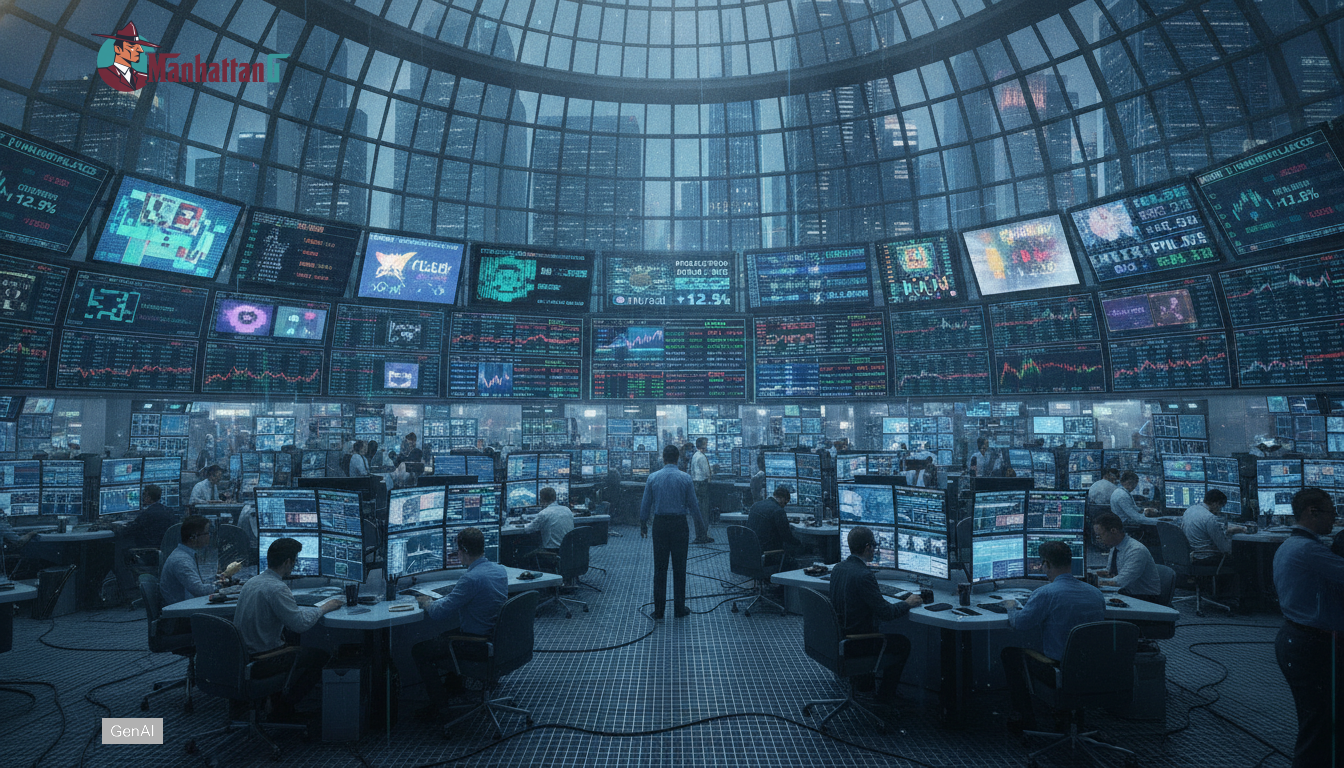
NFT market impact from Solana tokenized stock volume
The NFT market is reacting as Solana-based tokenized stock trading concentrates attention and liquidity on one fast, low-fee chain. Traders are reportedly citing a potential $1 billion in weekly tokenized stock volume based on platform-reported metrics and recap posts, a headline figure that could be influencing where short-term capital sits. Instead of cycling bids through popular collections, some wallets appear to be rotating into on-chain equity-style exposure that is marketed to behave like shares while settling on crypto rails. In that framing, the change can show up as thinner bids and wider spreads on some mid-cap collections, although outcomes vary by venue and collection. Execution quality still matters because tight spreads and reliable fills can help keep activity anchored when risk appetite shifts in the NFT market.
Why liquidity is rotating away from NFT bids
Liquidity migration is showing up in how market makers and active traders budget capital across venues. When desks allocate more collateral to tokenized stock products, they may quote fewer pairs in the Solana NFT market, which can contribute to wider spreads and slower price discovery. In adjacent coverage, MoneyGram joins Solana as validator in broader stablecoin strategy points to infrastructure expansion that could support larger settlement loads. That matters because, in general, faster settlement and deeper stablecoin rails can make tokenized stock trading feel more efficient than holding illiquid collectibles. For a broader macro parallel on how real-world systems can shift user expectations, see https://londonews.com/eu-entry-exit-system-delays-what-uk-travellers-face/ as an example of how operational changes can reset user expectations.
Pricing signals and spreads inside the NFT market
One cross-market signal is wallet behavior moving from long holds to more frequent rebalancing, with smaller ticket sizes replacing occasional spikes, according to anecdotal trading desk notes and public wallet-watch commentary. For collections that rely on steady two-sided liquidity, fewer active quotes can widen spreads even if the headline floor price looks stable. This is where traders often feel the shift first: bids may become thinner, undercutting can accelerate, and listings can sit longer before clearing in the NFT market. The nft stock market angle is that some users want exposure to hard-to-access shares, so they compare expected upside to a collectible’s narrative premium. For more context on how the NFT market can behave across cycles, NFT Market Outlook for 2026: Risks, Opportunities, and Trends tracks risk factors that can amplify these liquidity gaps.
Redemption, custody, and rights: key risks for buyers
The hardest operational question is whether tokenized stock holders can redeem into conventional brokerage positions and what happens when redemption is paused; this depends on each platform’s disclosed terms and legal structure. Platforms typically route exposure through custodians, which can introduce jurisdiction, counterparty, and disclosure constraints that some crypto-native traders may not fully price in. Some venues disclose their mechanics, while others offer synthetic exposure that functions more like a derivative than a direct receipt. If redemption gates tighten, token prices can decouple from the underlying share, which could force deleveraging across on-chain portfolios; this is a recognized risk scenario rather than a certainty. Related updates are tracked in NFT’s market updates: Regulation Shifts for Traders, and regulatory uncertainty also shapes access and risk controls, with requirements varying by jurisdiction in the NFT market.
What this means for NFT investors next
If tokenized stock volumes remain elevated through 2026, the next phase could look like segmentation rather than a total rotation, based on past cycle patterns and analyst expectations. In that scenario, collections tied to real revenue, licensing, or membership perks may hold attention because they resemble equity narratives, while purely speculative art can face higher opportunity costs when equities provide a familiar reference price. For practical positioning and risk checks in the NFT market, NFT Guide 2026: Practical Non-Fungible Tokens offers a framework for evaluating utility, liquidity, and custody assumptions. The key issue is whether platforms publish consistent attestations, handle corporate actions, and state clear terms for halts and redemptions; absent clear terms, flows may prove transient even if the chain performs well.

Recent Comments